Arginine
Arginine is the direct raw material for nitric oxide. A meta-analysis of 19 randomised studies shows a small improvement in vascular function at 3 to 21 grams per day. Whether NO production itself measurably rises is uncertain: one study using 6 grams found higher nitrite levels, and a follow-up by the same group did not reproduce it.
What the research shows
Mixed or small evidence. The effect is uncertain.
Bailey (2010) saw a lower oxygen cost and a longer time to exhaustion in nine men after 6 grams of arginine. The same research group repeated the experiment in 2013 with 6 grams in 23 participants and found no difference at all, not even in blood nitrite levels. Viribay (2020) pooled fifteen studies and does report gains, with 89 percent heterogeneity on the aerobic outcome, which means the studies point in every direction. What holds up across studies is a surrogate measure: Smeets (2021) saw flow-mediated dilation rise by 0.53 percentage points across nineteen randomised trials. Contradictory direct measurements plus an effect that sits mainly on a surrogate marker keep this at thin.
Who it makes sense for: Anyone targeting vasodilation itself gets further with citrulline, because oral arginine is largely broken down in the gut and liver before it reaches the bloodstream. At the 500 to 1000 mg many pre-workouts supply it does nothing for anyone, since the research uses 3 to 9 grams.
How we weigh evidenceClinical dosage
Origin
Natural & syntheticL-arginine is a semi-essential amino acid found in meat, poultry, fish, dairy, nuts, and legumes. Your body also produces it, but not always enough during intense exercise. In supplements usually synthetic via fermentation.
Safety
Arginine is safe at usual doses. High doses can cause stomach upset and diarrhoea. The meta-analysis on vascular function declares no conflict of interest. Citrulline raises blood arginine more effectively than arginine itself, because arginine is largely broken down in the liver.
For comparison
A 200g chicken breast contains about 2g of arginine. For a sports dose of 6g you'd need to eat 600g of chicken. Interestingly, citrulline is more effective at raising arginine blood levels than arginine itself, because arginine is largely broken down in the gut.
Dosage by weight and gender
The effective arginine dose for sports performance is 3-6g per session (Bailey et al., 2010). Body weight plays a limited role. There are no significant differences between men and women. Because arginine is poorly absorbed through the gut, citrulline is often a more effective choice for NO production.
Frequently asked questions
What does arginine do?
Arginine is the direct precursor to nitric oxide (NO), which widens your blood vessels. This provides better blood flow, more pump during training, and potentially better performance. It also plays a role in removing ammonia from your body.
Is arginine dangerous?
No, arginine is an amino acid you consume daily through food. Doses up to 9g per day are safe for healthy adults. Higher doses may cause stomach issues. Don't use in combination with blood pressure medication without consulting a doctor.
Is citrulline better than arginine?
For NO production and pump, citrulline is more effective because it's not broken down in the gut like arginine. Citrulline is converted to arginine in the kidneys and raises arginine blood levels better than arginine itself (Schwedhelm et al., 2008).
Scientific sources
The clinical dosages on this page are based on peer-reviewed research.
- Effects of tree nut and groundnut consumption compared with those of l-arginine supplementation on fasting and postprandial flow-mediated vasodilation: Meta-analysis of human randomized controlled trialsSmeets ETHC et al. (2021)
- Acute L-arginine supplementation reduces the O2 cost of moderate-intensity exercise and enhances high-intensity exercise toleranceBailey SJ et al. (2010)
- No effect of acute L-arginine supplementation on O₂ cost or exercise toleranceVanhatalo A et al. (2013)
- Effects of Arginine Supplementation on Athletic Performance Based on Energy Metabolism: A Systematic Review and Meta-AnalysisViribay A et al. (2020)
Pre-workouts with Arginine
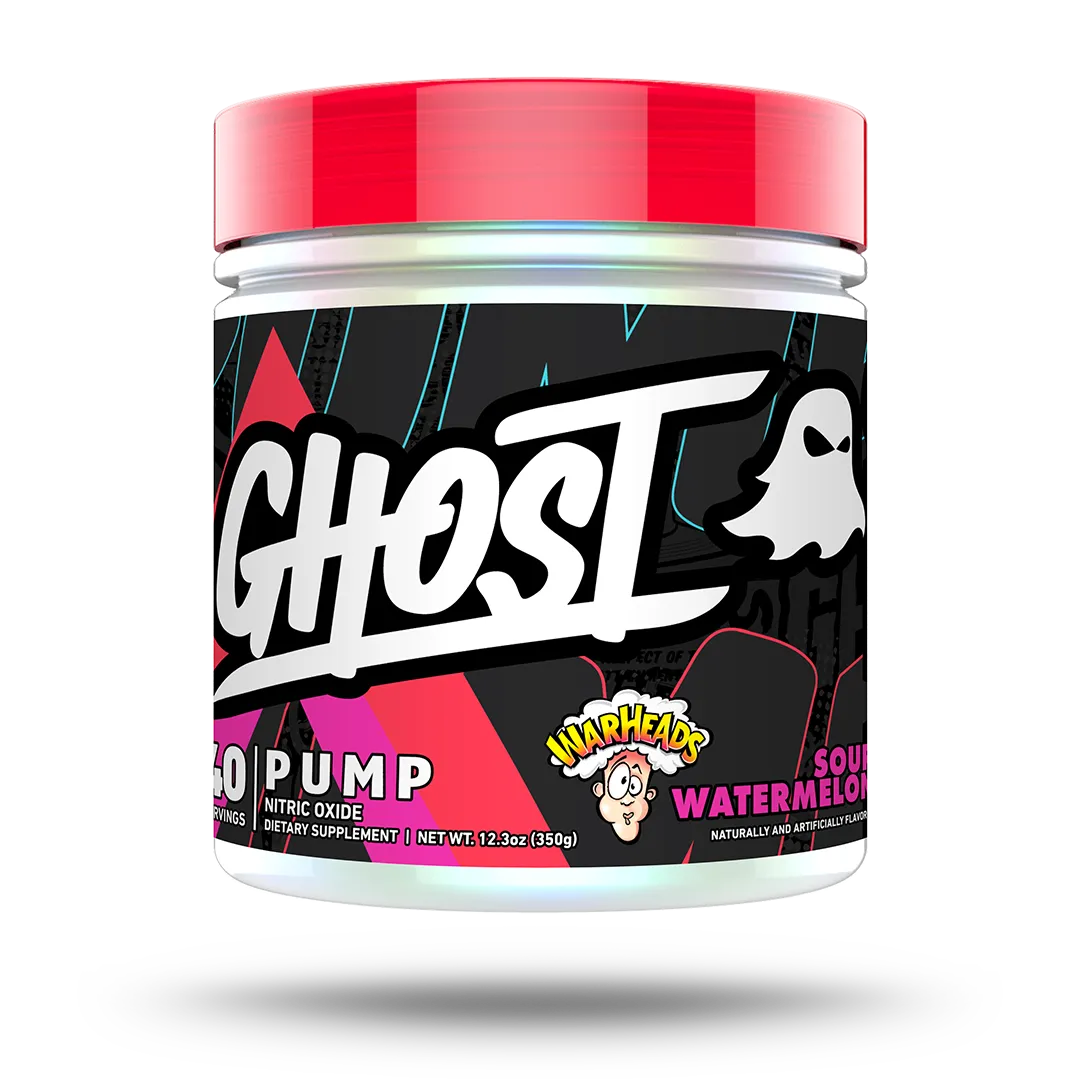
Ghost Pump V2
Stimulant-free pump pre-workout from Ghost with 6g L-Citrulline (2 scoops), 3g Arginine Nitrate, and Taurine. Zero caffeine, pure pump and vasodilation focus.
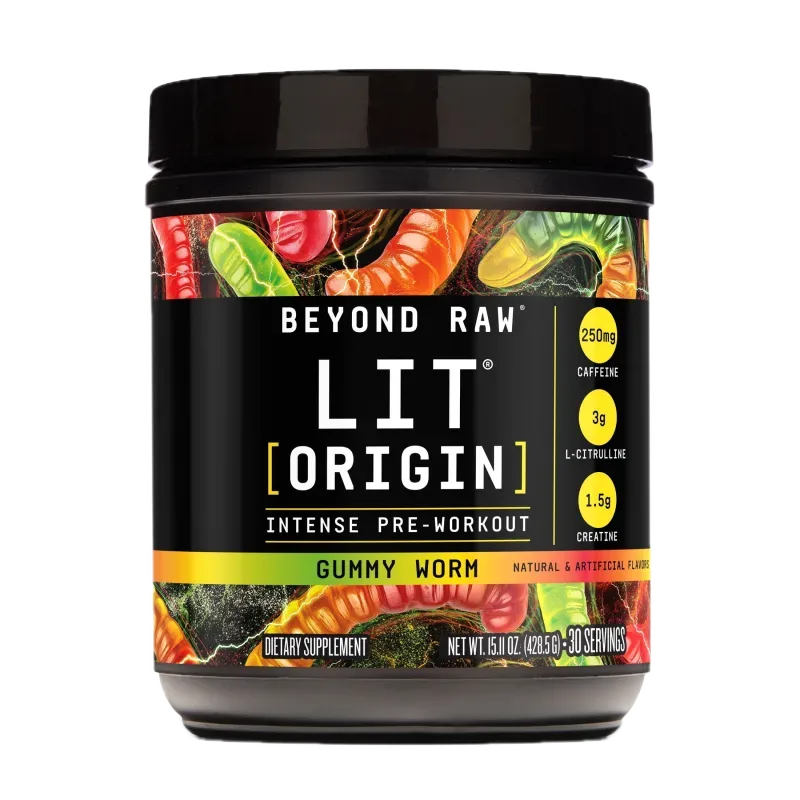
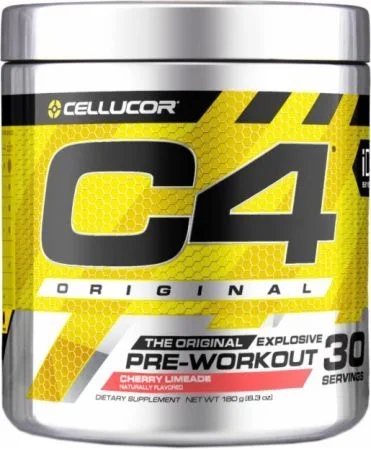
Cellucor C4 Original Pre-Workout
4 flavors
World-famous pre-workout from Cellucor with 150mg caffeine and 1.5g creatine. Compact 6.5g serving with proven formula.
C4 Original Pre-Workout
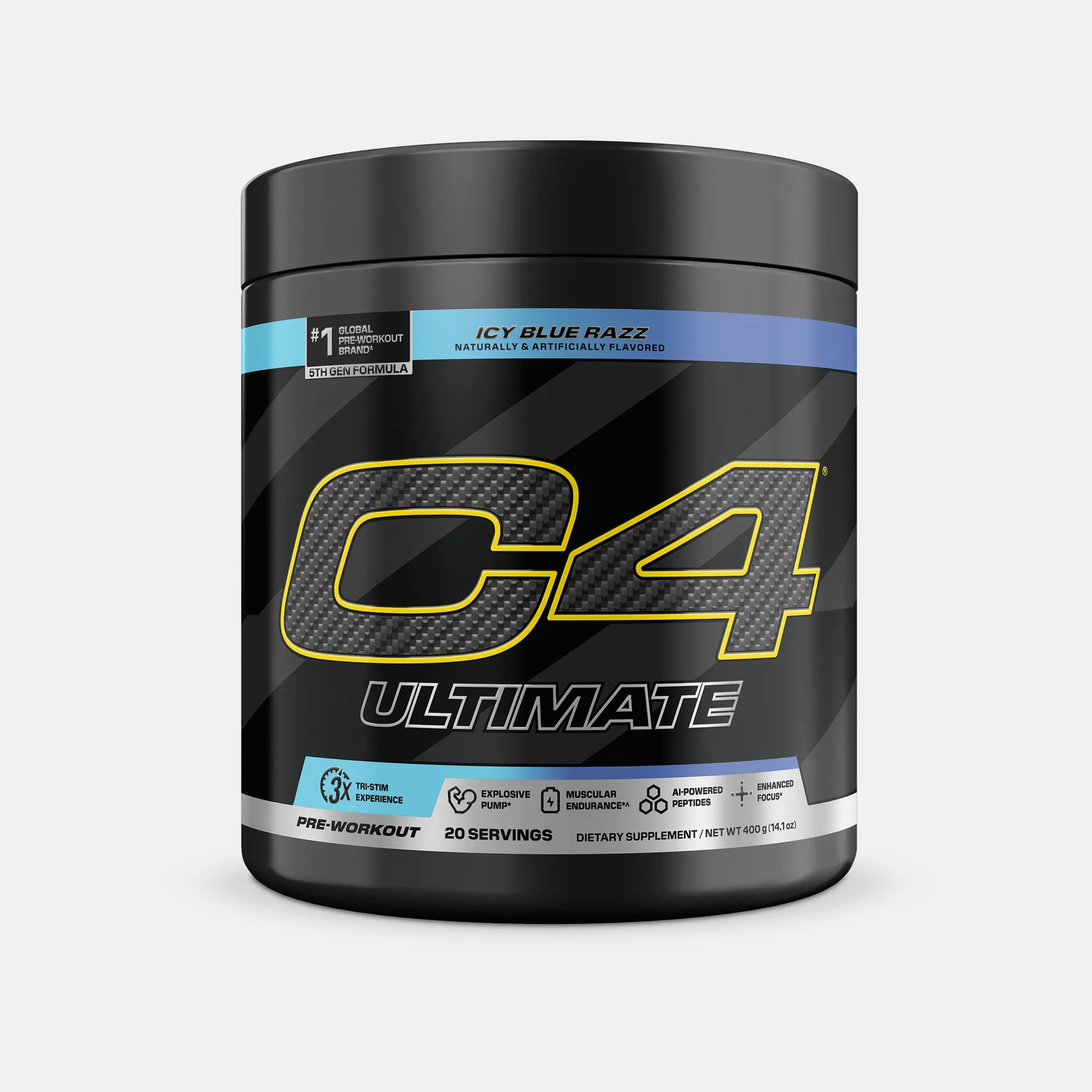
Cellucor C4 Ultimate
Premium C4 with 300mg caffeine, 6g citrulline malate, 3.2g beta-alanine, and 3g creatine. Fully clinically dosed — top of the C4 line.
We keep the dosages and values on this page as accurate as possible based on selected studies. New research may change these values. Nothing on this page is medical advice. If you have any doubts, always consult a doctor.