Betaine
Betaine is dosed at 2.5 grams per day in nearly all research. A meta-analysis of 17 studies finds an improvement in maximal strength, especially in the lower body. For strength endurance and upper body power, no effect was found.
What the research shows
Shown, with a clear condition or a limited scope.
Zawieja (2024) pooled 17 studies with 317 participants, 21 per cent of them women, and found an effect on maximal strength (SMD 0.47) that comes almost entirely from the lower body (SMD 0.49). For upper body strength, cycling sprint power, bench press throws and muscular endurance nothing came out. Vertical jumping only improved once a low-quality study was removed from the analysis. The most frequently cited single study, Lee (2010) with twelve trained men, was paid for by Danisco, the manufacturer of betaine. Evidence in humans that shows up in part of the outcomes amounts to reasonable.
Who it makes sense for: Something for strength athletes who want to move up on squat, leg press and leg strength, at 2.5 grams a day for at least a week. For upper body strength, for sprint power and for endurance athletes no effect has been found. Anyone who only meets betaine in a pre-workout on training days misses the daily intake the studies rest on.
How we weigh evidenceClinical dosage
Origin
NaturalBetaine (trimethylglycine) is found in beets, spinach, quinoa, and wheat germ. Named after the Latin name for beets (Beta vulgaris). In supplements from beets or synthetic.
Safety
Well tolerated at 2.5 grams per day. The effect only appears after at least a week of use. Note the industry involvement: several betaine studies have a co-author from the ingredient's producer. The meta-analysis itself declares no conflict of interest.
For comparison
100g of beets contains about 250mg of betaine. For a sports dose (2.5g) you'd need to eat 1 kilo of beets. Not impossible, but a supplement is more convenient.
Dosage by weight and gender
The effective betaine dose for sports performance is 2.5g per day, split into 2 servings of 1.25g (Cholewa et al., 2014). Body weight does not affect the optimal dose. There are no relevant differences between men and women. The effect builds up over 2 weeks of daily use. The 2.5g dose is based on clinical studies on strength and power output.
Frequently asked questions
What is betaine?
Betaine (trimethylglycine) is a substance naturally found in beets. It helps with strength and power output and plays a role in cell hydration. In pre-workouts it's used for better performance during heavy sets.
Is betaine dangerous?
No, betaine is safe at the typical sports dose of 2.5g per day. It occurs in many foods and no significant side effects have been reported in clinical research.
How much betaine per day?
Take 2.5g betaine per day, preferably split into 2 servings. Timing doesn't matter much. Most pre-workouts contain 1-2.5g per scoop.
Scientific sources
The clinical dosages on this page are based on peer-reviewed research.
- Effects of chronic betaine supplementation on exercise performance: Systematic review and meta-analysisZawieja E et al. (2024)
- Ergogenic effects of betaine supplementation on strength and power performanceLee EC et al. (2010)Funded by: Gefinancierd door Danisco A/S, de producent van betaïne. Co-auteur Craig is bij Danisco in dienst; de negen auteurs van de University of Connecticut melden geen belangen.
Pre-workouts with Betaine
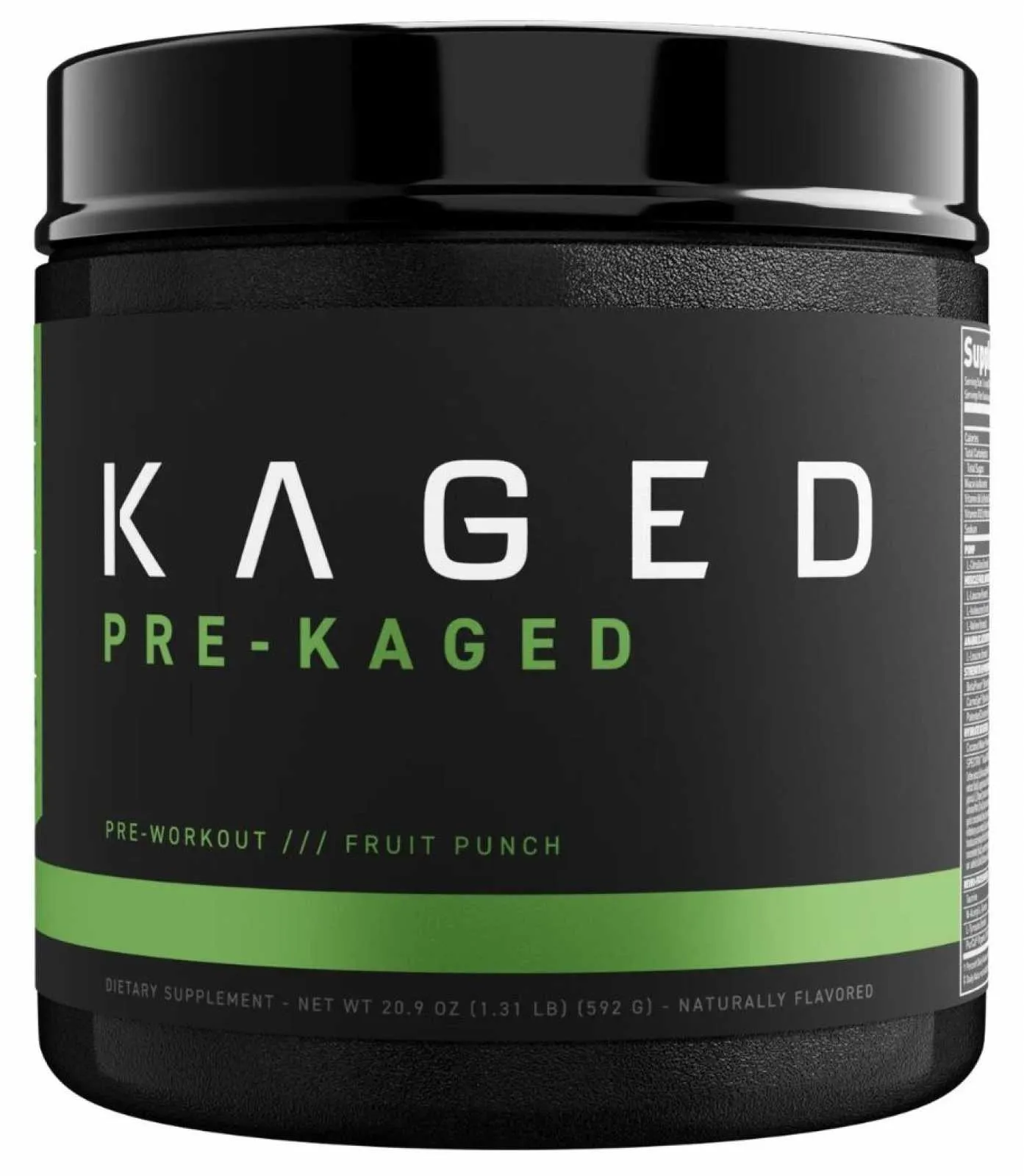
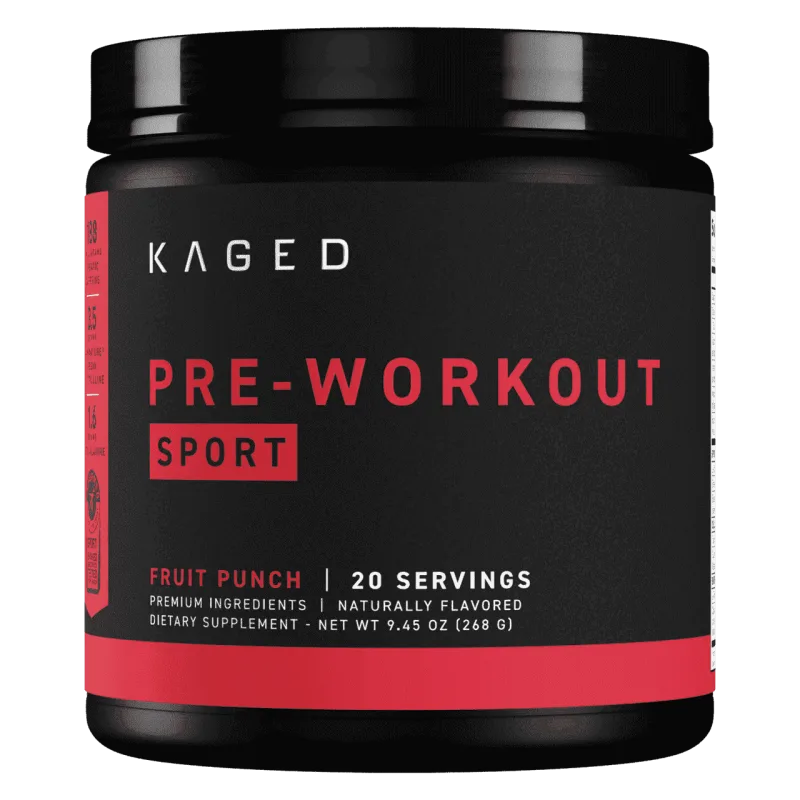
Kaged Pre-Kaged
2 flavors
Premium pre-workout with transparent label. 6.5g citrulline, 274mg PurCaf® caffeine. Informed Sport certified — suitable for tested athletes.
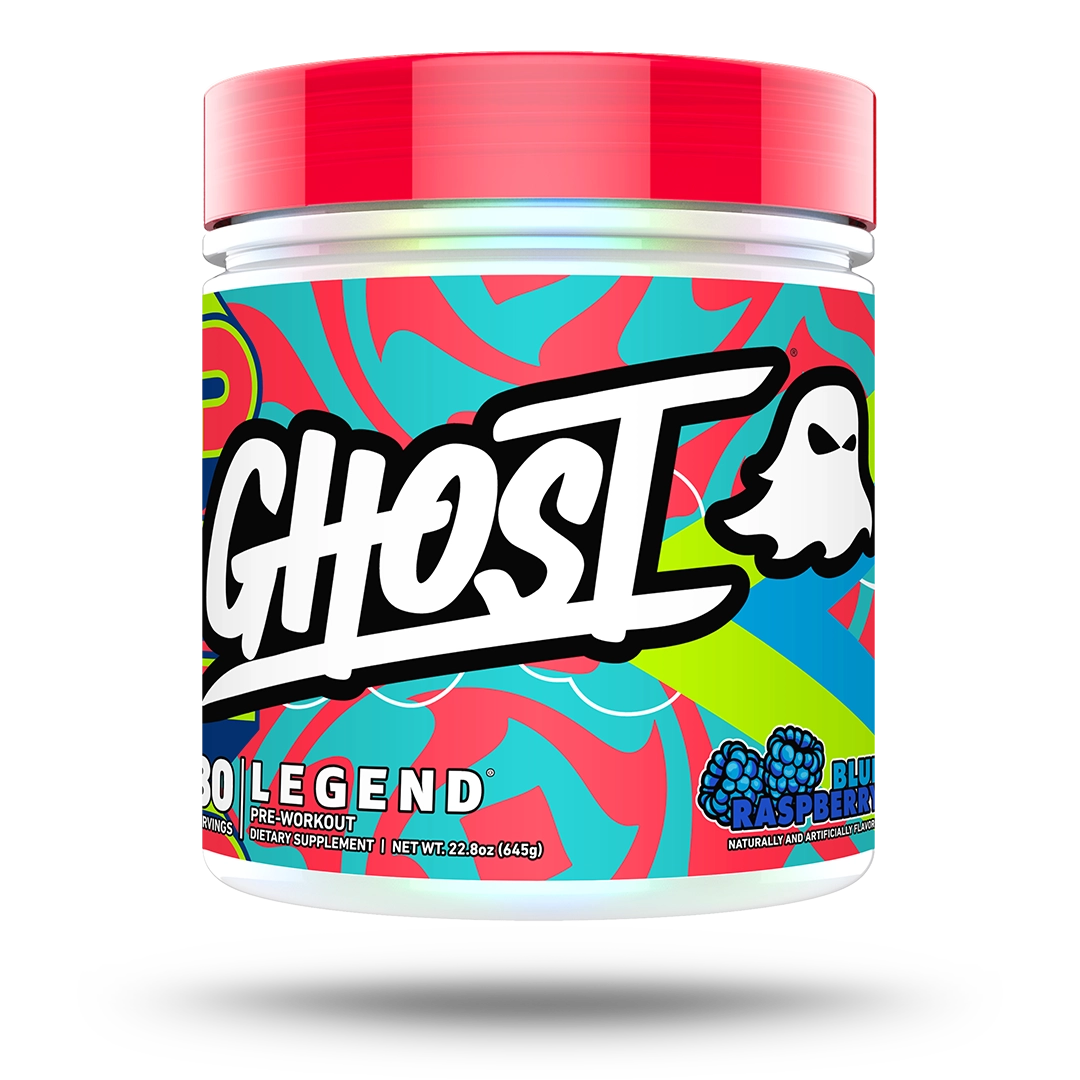
Ghost Legend V4
2 flavors
Ghost's flagship pre-workout with 300mg caffeine, 6g L-Citrulline, and 3.2g Beta-Alanine. Features Smart Energy blend with L-Tyrosine and Taurine for focus.

MuscleTech VaporX5 Next Gen
Pre-workout from MuscleTech with a nine gram scoop and thirty servings in a 266 gram tub. At two scoops the label lists three grams of creatine monohydrate, 3.2 grams of beta-alanine, 2.5 grams of betaine and 1.5 grams of Nitrosigine, plus caffeine. MuscleTech itself says to start at half a dose.
We keep the dosages and values on this page as accurate as possible based on selected studies. New research may change these values. Nothing on this page is medical advice. If you have any doubts, always consult a doctor.