Pine Bark Extract
Pine bark extract (pycnogenol) is a strong antioxidant. At 200 mg per day for eight weeks, vascular function improved in a randomised placebo-controlled study of 23 heart patients. In healthy strength athletes, an effect on blood flow or pump has never been measured.
What the research shows
Mixed or small evidence. The effect is uncertain.
The best overview is the Cochrane review by Robertson (2020): 27 randomised studies with 1641 participants across ten disorders, and for none of them did the certainty of the evidence rise above low to very low. Sport was not among them. Mohammadi (2025) also pooled 27 studies and saw small drops in blood pressure, just over 2 mmHg systolic and diastolic, plus slight shifts in blood sugar and LDL. Enseleit (2012) comes closest to the pump claim: 23 patients with stable coronary artery disease took 200 mg a day and their flow-mediated dilation went from 5.3 to 7.0 percent. That is a surrogate measure in heart patients. According to the trial registration the University of Zurich was the sponsor of that study.
Who it makes sense for: People with raised blood pressure or vascular problems who take 100 to 200 mg a day over a longer period. For a healthy athlete looking for a pump there is no study that measured it.
How we weigh evidenceClinical dosage
Origin
NaturalPine bark extract is derived from the bark of the maritime pine (Pinus pinaster), mainly from the Landes forest in southern France. The most well-known brand is Pycnogenol. It contains procyanidins, powerful antioxidants.
Safety
Well tolerated at 100 to 300 mg per day. The support comes from a small study in patients with coronary artery disease, not athletes, and nitric oxide was not measured directly. Pycnogenol is a branded extract, so manufacturer involvement cannot be ruled out from the article alone.
For comparison
The procyanidins in pine bark extract are similar to the antioxidants in grape seeds and green tea, but in a more concentrated form. 100mg of Pycnogenol contains as many antioxidants as several cups of green tea.
Dosage by weight and gender
The typical pine bark extract dose is 100-200mg per day (Gulati, 2014). In pre-workouts it's often combined with citrulline or arginine for a synergistic pump effect. Body weight doesn't affect dosing. There are no gender-specific recommendations.
Frequently asked questions
What does pine bark extract do?
Pine bark extract may stimulate NO production, which could improve blood flow and pump during training. It's also a powerful antioxidant that may reduce oxidative stress. Most research has been done with Pycnogenol (Rohdewald, 2002).
Is pine bark extract dangerous?
No, pine bark extract has a good safety profile. It has been used as a supplement for decades without serious side effects. Mild stomach issues occur rarely. Don't use if allergic to pine trees.
How much pine bark extract per day?
100-200mg per day is the standard dose in most studies. Pre-workouts usually contain 100-150mg. Take it with a meal for better absorption. The effect builds over several weeks of daily use.
Scientific sources
The clinical dosages on this page are based on peer-reviewed research.
- Effects of Pycnogenol on endothelial function in patients with stable coronary artery disease: a double-blind, randomized, placebo-controlled, cross-over studyEnseleit F et al. (2012)Funded by: Opdrachtgever volgens de trialregistratie NCT00641758: universiteit van Zürich.
- Pine bark (Pinus spp.) extract for treating chronic disordersRobertson NU et al. (2020)
- Does supplementation with pine bark extract improve cardiometabolic risk factors? A systematic review and meta-analysisMohammadi S et al. (2025)
Pre-workouts with Pine Bark Extract
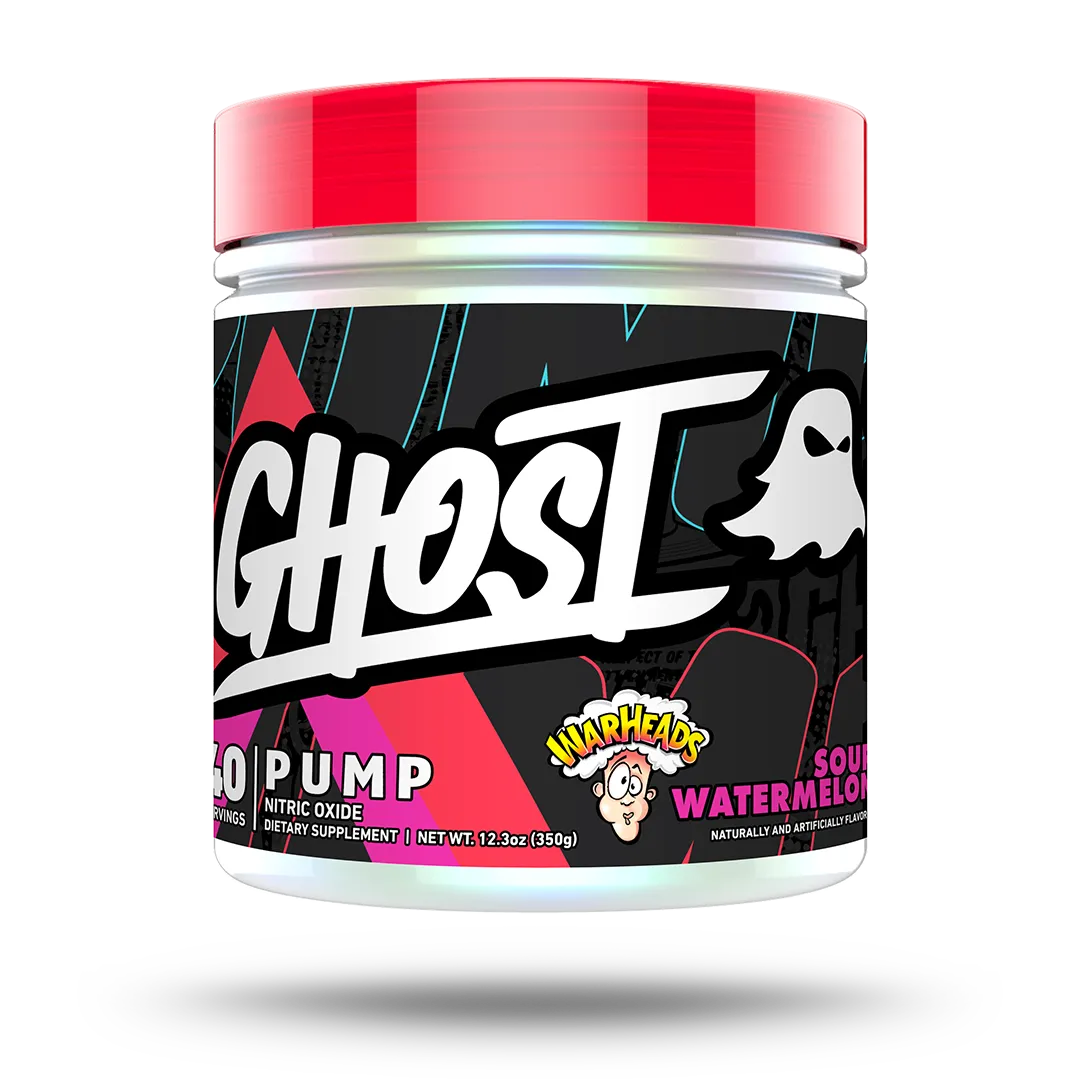
Ghost Pump V2
Stimulant-free pump pre-workout from Ghost with 6g L-Citrulline (2 scoops), 3g Arginine Nitrate, and Taurine. Zero caffeine, pure pump and vasodilation focus.
We keep the dosages and values on this page as accurate as possible based on selected studies. New research may change these values. Nothing on this page is medical advice. If you have any doubts, always consult a doctor.