7 April 2026
Protein at Breakfast: Why It Actually Matters
You just went 7-8 hours without eating. Your muscles need amino acids. And what do most people eat? Toast with jam. Sound familiar?
Protein at breakfast isn't a fad. Your body genuinely needs building blocks after an overnight fast. Let's look at what the science says and how to make it work.
Why protein at breakfast works
After a night of sleep, your body is in a catabolic state. Sounds dramatic, but it simply means muscle protein breakdown exceeds synthesis. Eating protein reverses that.
A study by Mamerow et al. (2014) examined how protein distribution throughout the day affects muscle protein synthesis. Result: people who spread their protein evenly (including breakfast) had 25% more muscle protein synthesis than those who ate most of their protein at dinner.
25%. That's significant.
How much protein do you need at breakfast?
The rule of thumb: at least 20-30 grams of protein at your first meal. Why that number?
- 20 grams is the minimum to properly trigger muscle protein synthesis
- 30 grams appears optimal for most people
- Above 40 grams in one sitting yields diminishing returns
For an 80 kg person eating 1.6 g/kg protein daily (128 grams total), 30 grams at breakfast is about a quarter of your daily needs. Sensibly distributed.
Practical high-protein breakfast options
Not keen on a protein shake at 7 AM? Fair enough. Here are alternatives:
- Greek yogurt (200g) — 20 grams protein, mix with fruit and nuts
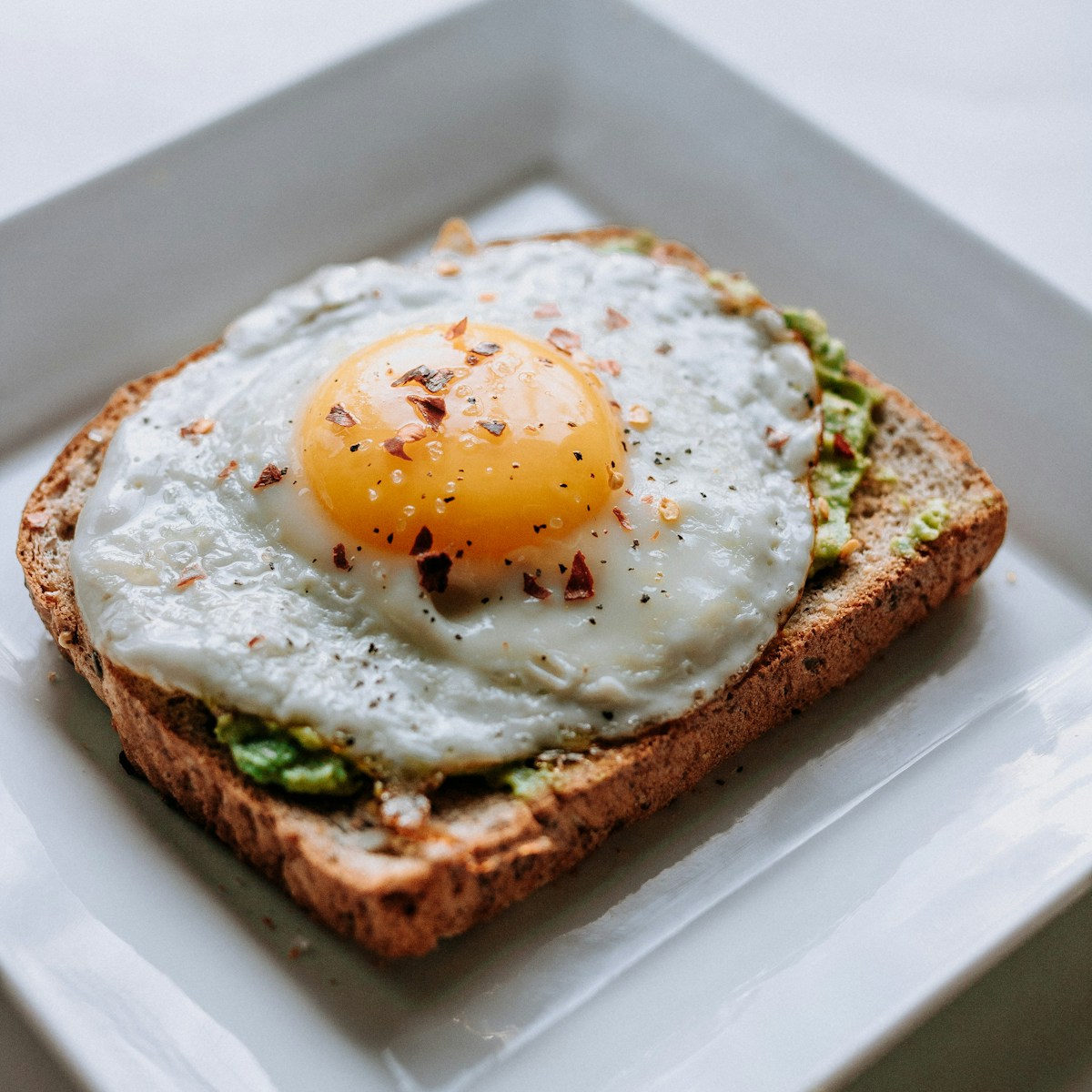
- 3 eggs — 18 grams protein, fried or boiled
- Cottage cheese (250g) — 28 grams protein, with honey
- Oatmeal + whey — 25-30 grams protein, warm and filling
- Skyr — about 11 grams per 100g, thick and creamy
And yes, a protein shake works too. Not everyone wants a full breakfast. A shake with 25 grams of whey takes 30 seconds to prepare.
Satiety: the bonus
Beyond muscle building, protein keeps you full longer. It slows gastric emptying and stimulates satiety hormones like PYY and GLP-1.
Practically: less craving for that cookie with your 10 AM coffee.
Research by Leidy et al. (2015) found that teenagers who ate a high-protein breakfast (35 grams) had significantly less hunger and snacked less than the standard breakfast group.
What if you're not hungry in the morning?
Some people simply don't have an appetite early. That's fine. A few options:
- Start with something small (yogurt, a boiled egg)
- Shift your first meal to 9-10 AM
- Compensate with a bigger lunch
The goal is hitting your total daily protein. If you do that better over 2 meals, fine. But 3-4 protein-rich meals is optimal for most athletes.
The bottom line
Protein at breakfast isn't magic, but it helps. 20-30 grams at your first meal kickstarts muscle protein synthesis and keeps you satisfied until lunch. Whether you get that from real food or a shake doesn't matter.
Want to calculate your daily protein needs? Use our protein calculator for personalized advice.