11 June 2026
Whey Protein and Body Recomposition: Can You Build Muscle While Losing Fat?
Building muscle while losing fat at the same time sounds almost too good to be true. This goal, often called body recomposition, is one of the most common reasons people pick up a whey shake. But is it really possible to grow muscle and shed fat at once, and where does protein fit in? In this article we look at what research shows about recomposition, the role of a high protein intake, and how whey can support the process.
What body recomposition actually means
Body recomposition means changing the ratio of muscle to fat in your body, rather than simply chasing a number on the scale. You can finish a recomposition phase at almost the same body weight while looking leaner and stronger, because you have added muscle and lost fat. That is why the scale alone is a poor judge here, and measurements, photos, and how your clothes fit tell a more complete story.
The challenge is that building muscle usually favors an energy surplus, while losing fat requires an energy deficit. Doing both at once asks your body to pull energy from fat stores while still building new muscle tissue. It is demanding, but research shows it is realistic, especially for certain groups and with the right approach to training and protein.
Who can recomposition work best for?
Recomposition tends to work most clearly for people who are relatively new to resistance training, those returning after a break, and people carrying more body fat to start with. In these situations your muscles respond strongly to training, and your body has plenty of stored energy to draw on. The further you are from your genetic ceiling, the more room there is to build muscle and lose fat together.
For very lean and highly trained people, simultaneous gains become harder and progress is slower. That does not mean recomposition is impossible for them, only that the margins are smaller and patience matters more. Whatever your starting point, a smart training plan and a high protein intake give you the best chance of shifting your composition in the direction you want.
Why protein is the key nutrient
Protein is the standout nutrient for recomposition because it does two jobs at once. It supplies the building blocks your muscles need to grow, and it helps protect existing muscle when you are in an energy deficit. A landmark trial compared higher and lower protein intakes during a deficit with hard training, and the higher protein group gained more lean mass and lost more fat. That combination is exactly what recomposition is about.
A higher protein intake also helps in a more practical way, by keeping you fuller. Protein is the most satiating of the three main nutrients, so meals built around it can make a calorie deficit easier to sustain. Research on resistance-trained people in a deficit shows that elevated protein, combined with training, helps preserve muscle while you lose fat, rather than burning hard-earned muscle for fuel.
How much protein do you need?
For recomposition, protein needs sit at the higher end of the usual sports nutrition range. Many guidelines point to roughly 1.6 to 2.2 grams of protein per kilogram of body weight per day for active people, and in a deficit aiming toward the upper part of that range is sensible. Some research in lean trainees even uses higher intakes to protect muscle during aggressive fat loss, under structured conditions.
Spreading that protein across the day in portions of around twenty to forty grams, over three to four meals, helps keep muscle building stimulated. If you want a quick estimate of how much protein suits your own weight and goal, you can use our protein calculator to get a starting figure, then adjust based on your progress and how you feel.
Where whey protein fits in
Whey is a convenient, fast-digesting protein source that is rich in leucine, an amino acid that plays a key role in switching on muscle building. During a calorie deficit, hitting a high protein target from whole food alone can be tricky, because you are eating less overall. A whey shake lets you add a concentrated dose of protein for relatively few calories, which is useful when every calorie counts.
Whey is not magic, though, and it works best as one tool inside a complete plan. Resistance training is the real driver of muscle growth, and your overall diet and total protein matter more than any single shake. Think of whey as a practical way to reach your daily protein target, especially around training or on busy days when a full meal is not convenient.
Training and patience matter most
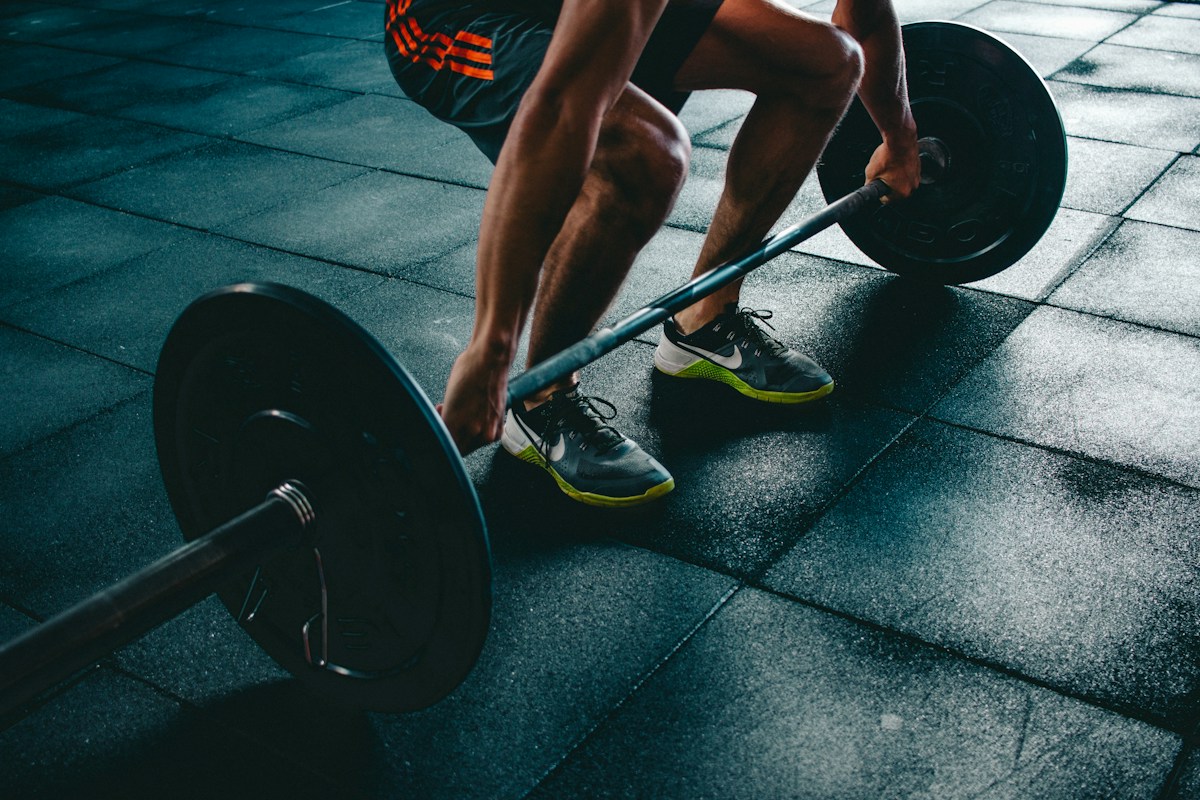
No amount of protein replaces the stimulus of resistance training. Lifting weights tells your body that the muscle is worth keeping and building, even while you are losing fat. Studies on athletes in a deficit suggest that maintaining training volume and intensity is important for sparing lean mass, so it is wise to keep challenging your muscles rather than only adding cardio.
Recomposition is also a slower process than a straightforward bulk or cut, so realistic expectations help. Progress may not show clearly on the scale from week to week, which is normal. Tracking strength, measurements, and photos over months gives a fairer picture. With consistent training, enough protein, and time, shifting your body composition is a realistic goal for most people.
Frequently asked questions
Can I really build muscle and lose fat at the same time? Yes, especially if you are newer to training, returning after a break, or carrying more body fat. For very lean, advanced lifters it is harder and slower, but still possible with patience and a high protein intake.
Do I need whey specifically for recomposition? No, whey is optional. It is a convenient way to reach a high protein target in a deficit, but you can also get there with whole foods like dairy, eggs, fish, meat, and legumes. Whey simply makes hitting the number easier.
Will a deficit make me lose muscle? It can, if your protein is too low and you stop training hard. Keeping protein high and continuing resistance training are the two most important steps to protect muscle while you lose fat.
Sources
- Longland TM, et al. Higher compared with lower dietary protein during an energy deficit combined with intense exercise promotes greater lean mass gain and fat mass loss. Am J Clin Nutr. 2016. PubMed 26817506
- Roth C, et al. Lean mass sparing in resistance-trained athletes during caloric restriction: the role of resistance training volume. Eur J Appl Physiol. 2022. PubMed 35146569
- Hector AJ, et al. Pronounced energy restriction with elevated protein intake results in no change in proteolysis and reductions in skeletal muscle protein synthesis that are mitigated by resistance exercise. FASEB J. 2018. PubMed 28899879
- Jager R, et al. International Society of Sports Nutrition Position Stand: protein and exercise. J Int Soc Sports Nutr. 2017. PubMed 28642676