Dynamine
Dynamine (methylliberine) resembles theacrine. In humans it has been studied up to 150 mg per day for a maximum of four weeks. In a study using 100 mg, perceived mood improved while cognitive performance stayed the same.
What the research shows
Mixed or small evidence. The effect is uncertain.
Three human trials of methylliberine have been published and Compound Solutions, the owner of Dynamine, paid for all three. VanDusseldorp (2020) looked at the safety of 100 and 150 mg, alone and combined with theacrine. La Monica (2023) found higher self-reported energy, concentration, motivation and mood at 100 mg, while the Stroop test and the Trail Making Test stayed unchanged; that study ran at a centre whose co-owner holds patents on methylliberine. Cintineo (2022) tested 100 mg alongside 150 mg of caffeine and 50 mg of theacrine, so the share belonging to methylliberine itself stays open there. Independent confirmation is missing and that keeps the level at thin.
Who it makes sense for: People after alertness with less caffeine who accept that the evidence comes entirely from the manufacturer. Objective cognition tests measured nothing. At 100 to 150 mg per serving you are at the dose that was studied.
How we weigh evidenceClinical dosage
Origin
NaturalDynamine (methylliberine) naturally occurs in kuding tea and certain coffee berries. It's structurally related to caffeine and theacrine. In supplements usually extracted from tea leaves or synthetically produced.
Safety
Studied up to 150 mg per day for a maximum of four weeks. In that period no clinically relevant changes in heart rate, blood pressure or blood values were found. There is no data on longer use or higher doses. Both studies have a link to manufacturer Compound Solutions, through funding and through patents held by the research site.
For comparison
Dynamine works faster than caffeine, peaks within 30 minutes, but lasts shorter (1-2 hours vs 4-6 hours). Think of it as an espresso shot compared to slowly sipping a filtered coffee.
Dosage by weight and gender
The typical dynamine dose in pre-workouts is 100-200mg per session. Body weight doesn't play a major role in dosing. There are no gender-specific recommendations due to limited research. Dynamine may work better combined with caffeine and theacrine (Compound Solutions, 2018).
Frequently asked questions
What does dynamine do?
Dynamine may increase alertness and energy without significantly affecting heart rate. It blocks adenosine receptors, similar to caffeine, but with faster and shorter action. It's often combined with caffeine for a broader energy profile.
Is dynamine dangerous?
No serious side effects have been reported at normal doses (100-200mg). However, research on dynamine is limited and relatively new, so long-term effects aren't fully mapped. Stick to the recommended dose.
How much dynamine per day?
Most pre-workouts contain 100-200mg dynamine. Don't take more than 400mg per day. Since dynamine works briefly (1-2 hours), it's best taken right before training.
Scientific sources
The clinical dosages on this page are based on peer-reviewed research.
- Safety of Short-Term Supplementation with Methylliberine (Dynamine(®)) Alone and in Combination with TeaCrine(®) in Young AdultsVanDusseldorp TA et al. (2020)Funded by: Gefinancierd door Compound Solutions, Inc., de eigenaar van Dynamine, die ook de supplementen leverde.
- Methylliberine Ingestion Improves Various Indices of Affect but Not Cognitive Function in Healthy Men and WomenLa Monica MB et al. (2023)Funded by: Gefinancierd door Compound Solutions (#CSI-08-2022-001); de mede-eigenaar van het onderzoekscentrum heeft patenten op methylliberine.
- Effects of caffeine, methylliberine, and theacrine on vigilance, marksmanship, and hemodynamic responses in tactical personnel: a double-blind, randomized, placebo-controlled trialCintineo HP et al. (2022)Funded by: Gefinancierd door Compound Solutions, de eigenaar van Dynamine en TeaCrine.
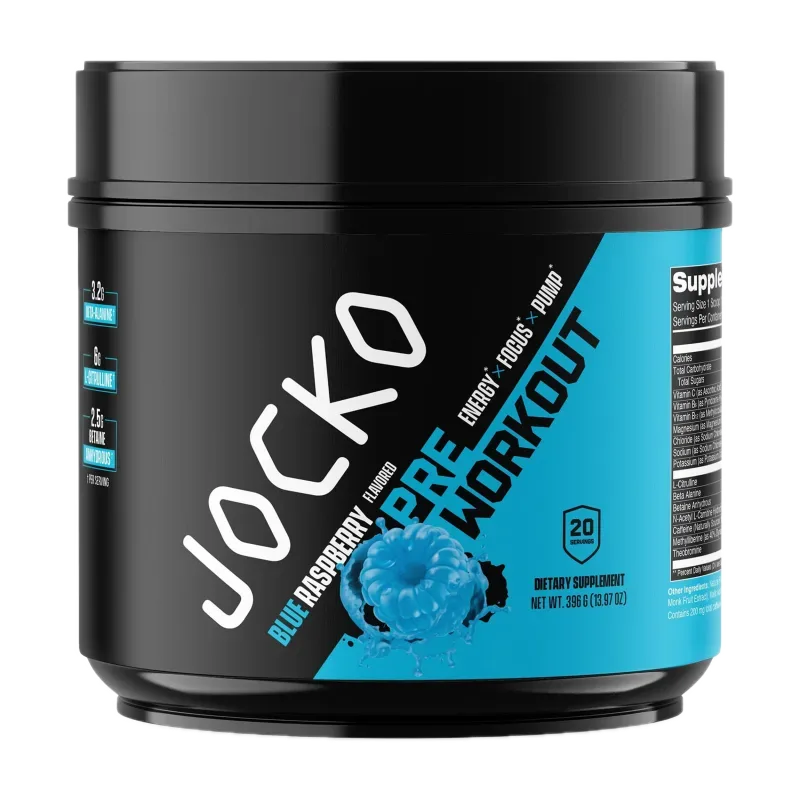
Pre-workouts with Dynamine
We keep the dosages and values on this page as accurate as possible based on selected studies. New research may change these values. Nothing on this page is medical advice. If you have any doubts, always consult a doctor.