Taurine
Taurine is an amino acid that acts as an organic osmolyte in the body. A meta-analysis of ten studies finds a small improvement in endurance from a single dose of 1 to 6 grams.
What the research shows
Shown, with a clear condition or a limited scope.
Waldron (2018) pooled ten studies with doses of 1 to 6 grams and found a small effect on endurance performance (Hedges' g = 0.40), with no difference between a single dose and weeks of use. Deng (2025) repeated that for single doses across 23 randomised trials with 308 participants and arrived at g = 0.25. Kurtz (2021) read through 19 studies and concluded that the findings are too limited and too varied for a firm statement. All three were funded independently of manufacturers. The participant numbers stay small and the effect stays small, which puts it at reasonable.
Who it makes sense for: Something for endurance athletes who want to hold on slightly longer at the end of an effort to exhaustion, at 1 to 6 grams roughly one to two hours beforehand. For strength athletes there is no usable evidence. A can of energy drink or a lightly dosed pre-workout often holds less than the studies tested, and then it does nothing for you.
How we weigh evidenceClinical dosage
Origin
SyntheticTaurine naturally occurs in meat, fish, and dairy. It's one of the most abundant amino acids in your body. In supplements and energy drinks it's synthetically produced - not from bulls, despite the name.
Safety
Well tolerated up to 6 grams per day. Two things you often read that have no human backing: that taurine improves muscle cell hydration, and that it dampens the side effects of caffeine. Neither has been studied in humans.
For comparison
A can of Red Bull contains 1000mg of taurine. Your body itself contains 70g of taurine, spread across muscles, brain, and heart. The amount in supplements is a fraction of this.
Dosage by weight and gender
The effective taurine dose for sports performance is 1-3g per session (Waldron et al., 2018). Body weight plays almost no role in dosing. There are no meaningful differences between men and women. The EFSA has set the safe upper limit at 6g per day. Higher doses (3-6g) show positive effects on endurance, but 1-2g is enough for most athletes.
Frequently asked questions
What is taurine?
Taurine is an amino acid your body produces naturally. It plays a role in cell hydration, electrolyte balance, and the nervous system. It's also found in energy drinks.
Is taurine dangerous?
No. Taurine has been extensively studied and is considered safe by the EFSA up to 6g per day. It does not come from bulls, that's a persistent misconception about the name.
How much taurine per day?
For sports performance, 1-3g per session is sufficient. Most pre-workouts contain 1-2g of taurine, which is a solid dose. You can safely take up to 6g per day.
Scientific sources
The clinical dosages on this page are based on peer-reviewed research.
- The Effects of an Oral Taurine Dose and Supplementation Period on Endurance Exercise Performance in Humans: A Meta-AnalysisWaldron M et al. (2018)
- Does One Shot Work? The Acute Impact of a Single Taurine Dose on Exercise Performance: A Meta-Analytic ReviewDeng H et al. (2025)
- Taurine in sports and exerciseKurtz JA et al. (2021)Funded by: Niet met een subsidie gefinancierd; de faculteiten van Kennesaw State University en Georgia State University betaalden het werk. De auteurs verklaren geen concurrerende belangen.
Pre-workouts with Taurine
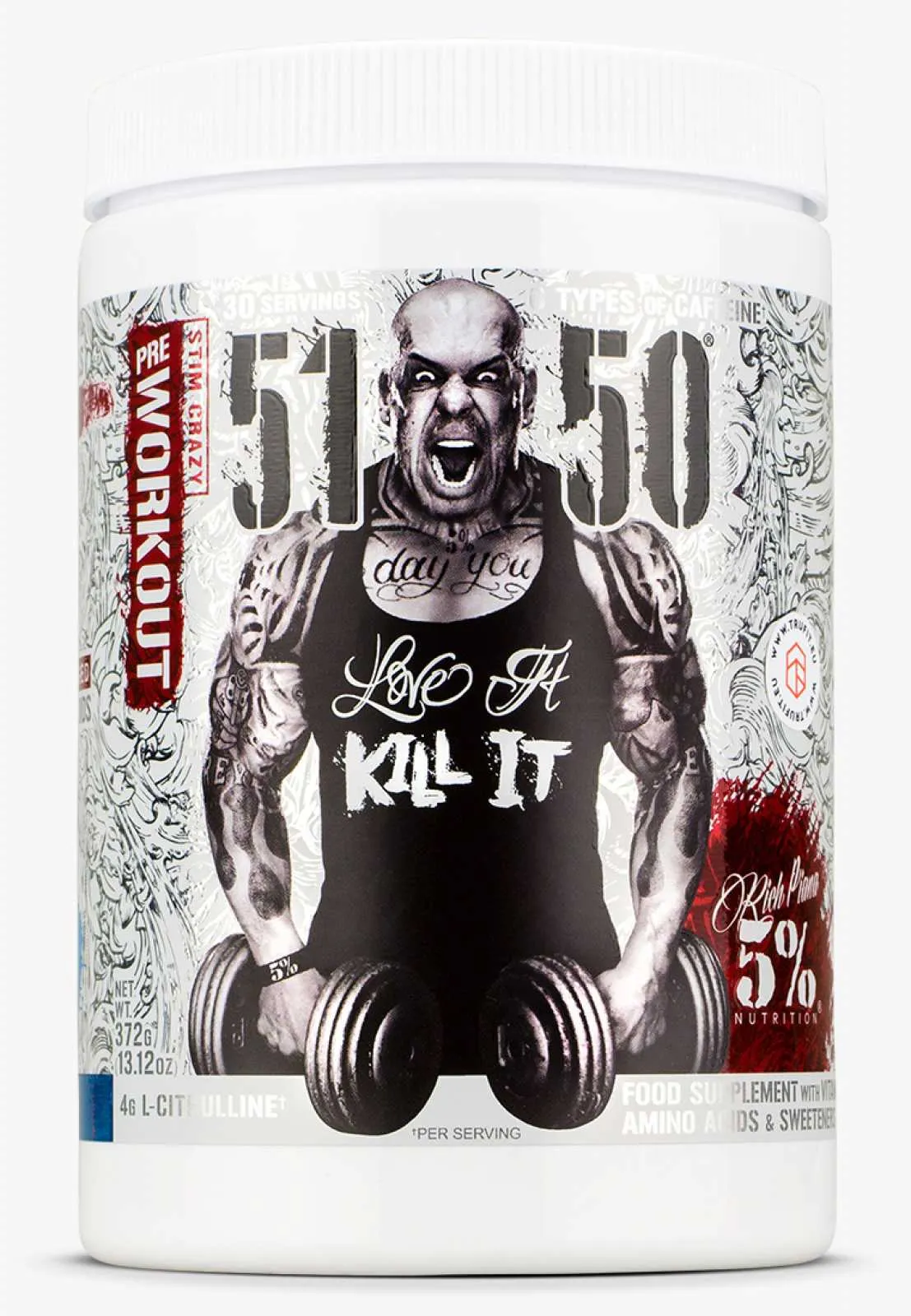
5% Nutrition 5150
2 flavors
Hardcore pre-workout with 400mg caffeine from multiple sources, 4g citrulline, and 2.5g beta-alanine. Not for beginners — one of the strongest pre-workouts on the market.
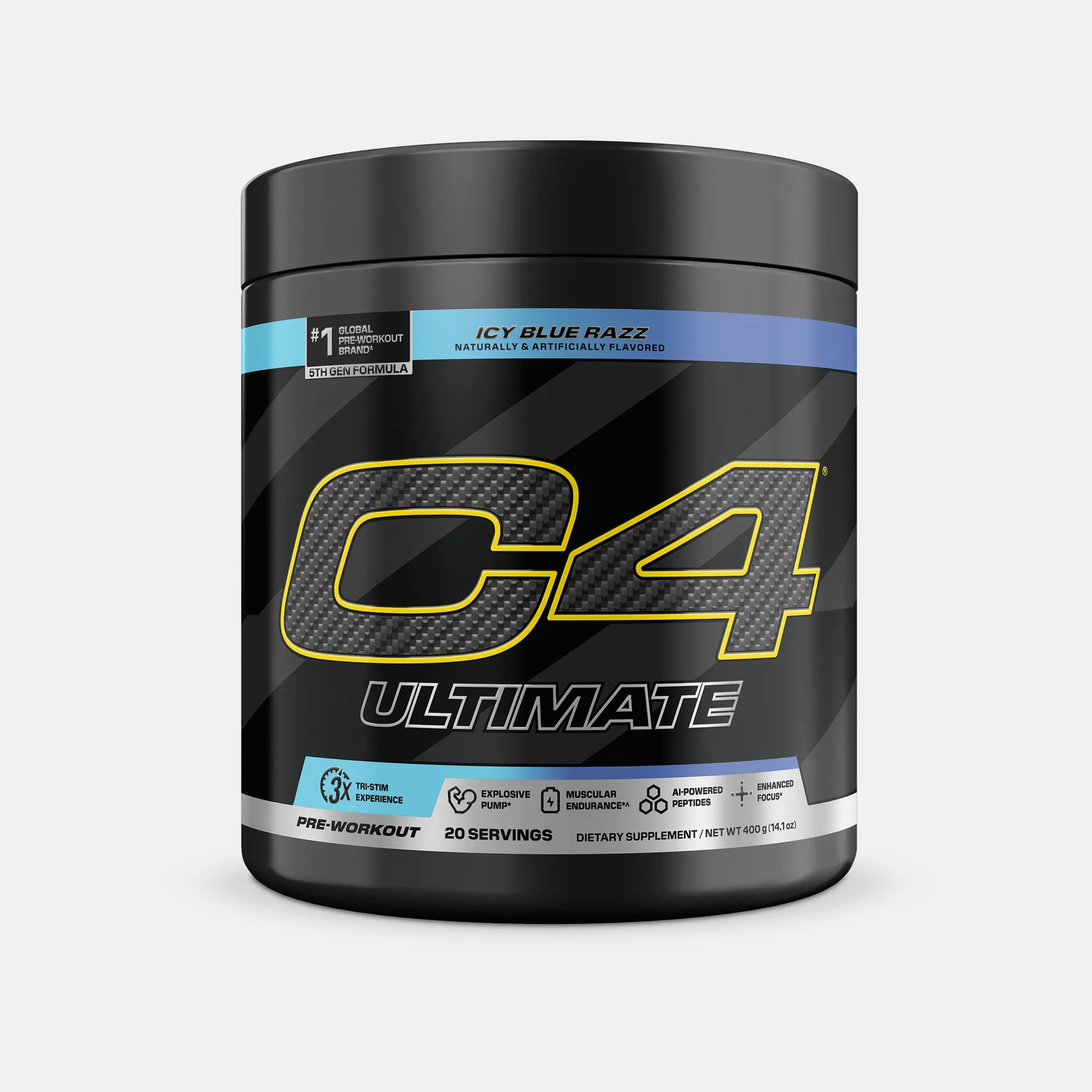
Cellucor C4 Ultimate
Premium C4 with 300mg caffeine, 6g citrulline malate, 3.2g beta-alanine, and 3g creatine. Fully clinically dosed — top of the C4 line.
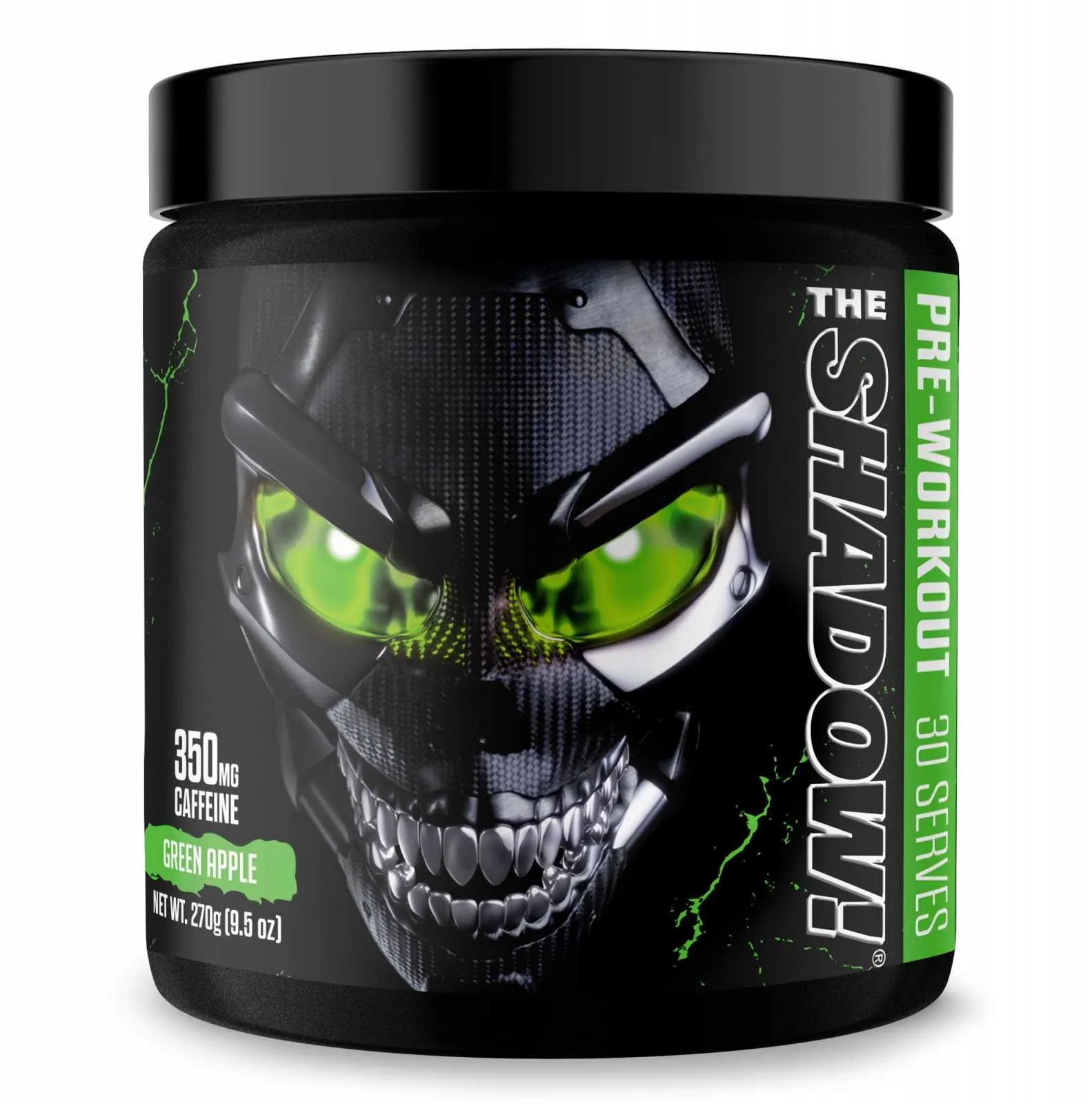
JNX Sports Shadow-X
Thermogenic pre-workout from JNX Sports with 200mg caffeine, 2g citrulline, and 2g beta-alanine. Focus on energy and concentration.
We keep the dosages and values on this page as accurate as possible based on selected studies. New research may change these values. Nothing on this page is medical advice. If you have any doubts, always consult a doctor.