22 February 2026
Vegan Protein vs Whey: Can Plant-Based Match Dairy?
The question popping up more and more at the gym: is vegan protein as good as whey for building muscle? With the growing popularity of plant-based nutrition, more athletes want to know if they can switch without sacrificing results. In this comprehensive article, we compare both options based on science, current prices, taste, and environmental impact.
What is Whey Protein?
Whey protein is a byproduct of cheese production. When milk is separated into curds (for cheese) and whey, the whey is further processed into whey protein powder. It's one of the most researched supplements in the world, with dozens of studies confirming its effectiveness for muscle building.
There are three main forms of whey:
- Whey Concentrate: 70-80% protein, still contains lactose and fat. Cheapest option.
- Whey Isolate: 90%+ protein, virtually no lactose. Suitable for lactose-intolerant people.
- Whey Hydrolysate: Pre-digested form, fastest absorption. Most expensive option.
What is Vegan Protein?
Vegan protein powder is made from plant-based sources. The most common are:
- Pea Protein: Made from yellow split peas. High in BCAAs, but low in methionine.
- Rice Protein: Hypoallergenic and easily digestible, but low in lysine.
- Soy Protein: Complete protein source, but some avoid it due to phytoestrogens (though science is nuanced on this).
- Hemp Protein: Contains healthy fats and fiber, but lower protein content.
- Pumpkin Protein: Newer option with a good amino acid profile.
The best vegan proteins combine multiple sources — usually pea + rice — to create a complete amino acid profile comparable to whey.
Amino Acid Profile: The Scientific Basis
Proteins consist of 20 amino acids, of which 9 are essential — your body cannot make them itself. For muscle building, leucine is particularly important: this amino acid activates the mTOR pathway, the signal that starts muscle protein synthesis.
Whey protein contains about 10-12% leucine — one of the highest percentages of all protein sources. This is why whey has long been considered the "gold standard."
Vegan proteins score variably:
| Protein Source | Leucine % | Complete Protein? |
|---|---|---|
| Whey Protein | 10-12% | Yes |
| Pea Protein | 8-9% | Yes (low methionine) |
| Rice Protein | 8% | No (low lysine) |
| Soy Protein | 8% | Yes |
| Pea + Rice Blend | 8-9% | Yes |
Practical meaning: To get the same leucine response as with whey, you need a slightly larger portion of vegan protein (35-40g instead of 25-30g). However, this is a small difference that's easy to bridge.
Digestibility: PDCAAS and DIAAS Scores
Scientists use two methods to measure protein quality:
- PDCAAS (Protein Digestibility Corrected Amino Acid Score): The older standard, maximum score is 1.0.
- DIAAS (Digestible Indispensable Amino Acid Score): Newer, more accurate method that accounts for digestion in the small intestine.
| Protein Source | PDCAAS | DIAAS |
|---|---|---|
| Whey Protein | 1.00 | 1.09 |
| Casein | 1.00 | 1.17 |
| Soy Protein | 1.00 | 0.90 |
| Pea Protein | 0.89 | 0.82 |
| Rice Protein | 0.50 | 0.59 |
| Pea + Rice Blend | 0.95 | 0.87 |
Whey scores highest, but a good pea + rice blend comes surprisingly close. The practical difference for muscle building is minimal — especially if your total daily protein intake is sufficient (1.6-2.2g per kg bodyweight).
What Does Science Say About Muscle Building?
A frequently cited 2019 study in the Journal of the International Society of Sports Nutrition compared pea protein with whey during resistance training. The conclusion? No significant difference in muscle growth after 8 weeks of training, as long as total protein intake was equal.
A 2021 meta-analysis confirmed this: the source of protein (animal or plant) matters less than the total amount and timing around training.
Price Per Gram Protein: The Surprising Winner
We compare current prices of popular products (February 2026):
| Product | Type | Price/kg | Protein/serving | Price per 100g protein |
|---|---|---|---|---|
| Zumub Vegan (Pea & Rice) | Vegan Blend | €14.98 | 23g | €1.96 |
| Zumub Vegan (Pea) | Vegan | €17.96 | 24g | €2.24 |
| Zumub 100% Whey | Concentrate | €19.98 | 21g | €2.85 |
| Bulk Pure Whey | Concentrate | €22.80 | 23g | €2.97 |
| Myprotein Impact Whey | Concentrate | €24.40 | 23g | €3.18 |
Surprise: Vegan protein is often cheaper per gram of protein than whey! The Zumub Pea & Rice blend costs just €14.98/kg — significantly more budget-friendly than most whey options.
Taste and Texture: The Honest Story
Let's be honest here: whey wins on taste. Most people find whey creamier, sweeter, and tastier. This is because whey naturally has a mild, neutral taste that combines well with chocolate, vanilla, and fruit flavors.
Vegan proteins often struggle with:
- Slightly earthy or nutty aftertaste
- Grainier texture (especially pea)
- Sometimes a chalky feeling in the mouth
- Less sweet (unless a lot of sweetener is added)
However: formulations have improved enormously in recent years. Brands like Zumub and Bulk have adjusted their recipes with better flavorings and emulsifiers. Modern vegan blends score increasingly close to whey in taste experience.
Pro tip: Mix vegan protein with oat milk or almond milk instead of water. This significantly improves the texture and taste.
Environmental Impact: Vegan Wins Convincingly
If sustainability matters to you, vegan protein scores significantly better on all fronts:
| Factor | Whey Protein | Vegan (Pea) | Difference |
|---|---|---|---|
| CO₂ per kg protein | ~9.0 kg | ~2.0 kg | -78% |
| Water usage | ~2000 liters/kg | ~500 liters/kg | -75% |
| Land use | High | Low | -80% |
| Methane emissions | Yes (cows) | No | -100% |
Peas are also nitrogen fixers — they enrich the soil instead of depleting it.
Who Should Choose What?
Choose Whey Protein if:
- Taste and mixability are your highest priority
- You don't have lactose intolerance or dairy allergy
- You want the absolute "best" protein quality (marginal difference)
Choose Vegan Protein if:
- You're lactose intolerant or have a dairy allergy
- You eat vegan or vegetarian
- Sustainability and environmental impact matter to you
- Your budget is limited (often cheaper per gram protein)
- You have a sensitive stomach
Frequently Asked Questions
Is vegan protein good enough for muscle building?
Yes. Studies show no significant difference in muscle growth between whey and vegan protein, as long as you get enough total protein. Choose a blend (pea + rice) for a complete amino acid profile.
How much vegan protein do I need per day?
The same amount as with whey: 1.6-2.2 grams of protein per kg bodyweight for muscle building. Possibly 10-15% more to compensate for the slightly lower biological value.
Can I combine whey and vegan protein?
Absolutely. Some athletes use whey after training (fast absorption) and vegan or casein for the night (slower absorption). There's no problem with combining.
Is soy protein bad for men?
This is a myth. The phytoestrogens in soy are much weaker than human estrogens. Dozens of studies show that normal consumption of soy protein has no negative effect on testosterone or male health.
The Verdict
For muscle building, the difference between whey and a good vegan blend is negligible — as long as you get enough total protein. The science is clear: the source of your protein matters less than the total amount and consistency.
Choose based on your personal preferences, budget, ethical considerations, and any food intolerances. There's no "wrong" choice — only the choice that best fits you.
Curious about current prices? Check our vegan protein comparison or compare all whey proteins by price per gram of protein.
Featured product
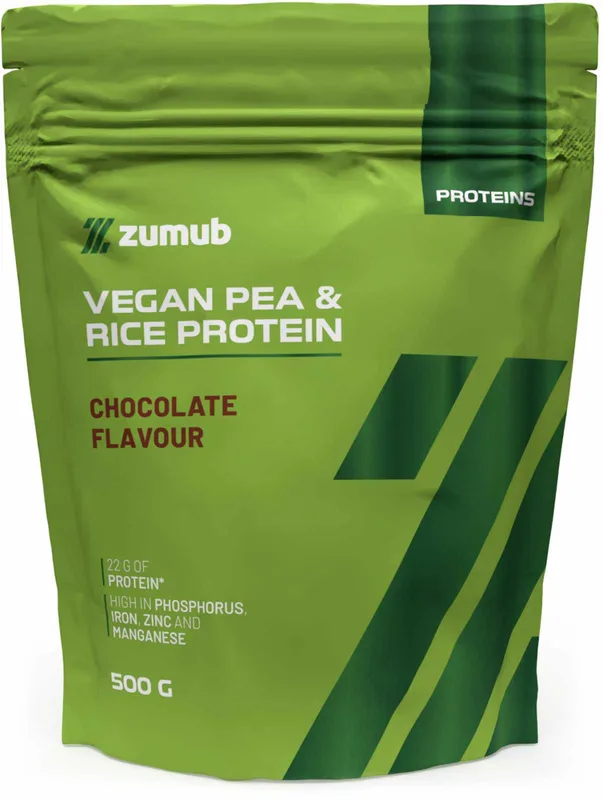
Zumub Vegan Protein (Pea & Rice)
€0.017 Per gram protein