Vitamin B12
Vitamin B12 is essential for energy metabolism and the nervous system. A deficiency can lead to fatigue, which negatively impacts sports performance.
What the research shows
No sound research in humans.
The strongest signal comes from Krzywański (2020), who analysed 1131 blood samples from 243 elite athletes: nobody was deficient, 34 percent injected B12 anyway, and above roughly 700 pg/mL haemoglobin stopped rising. More B12 on top of a normal status delivered nothing there. Woolf and Manore (2006) call the data on B12 and performance limited and see no effect in people who get enough. Rizzo (2016) describes the situation where B12 genuinely matters, namely in vegetarians and vegans. That is about preventing a deficiency, which is a different question from a performance gain. The energy claim on a pre-workout label has therefore been studied and left unconfirmed.
Who it makes sense for: Important for vegans and near-vegans, because plant food supplies no B12 and a long-running deficiency causes anaemia and nerve damage. Anyone eating meat, fish, dairy or eggs carries a liver store that lasts years, and then the B12 in a pre-workout adds nothing to training. If in doubt, have it measured by your doctor.
How we weigh evidenceClinical dosage
Origin
Natural & syntheticVitamin B12 (cobalamin) is found exclusively in animal products: meat, fish, eggs, and dairy. Vegans must supplement B12. In supplements as cyanocobalamin (cheap, stable) or methylcobalamin (active form). Bacteria produce B12, hence its presence in animal products.
Safety
Vitamin B12 is essential for nerve function, DNA synthesis, and red blood cell production. The recommended daily amount is 2.4mcg. There's no established upper limit because B12 is water-soluble and excess amounts are excreted through urine.
For comparison
A 100g steak contains about 5mcg of vitamin B12, over twice the daily need. Supplements often contain 500-1,000mcg, hundreds of times the daily need. That sounds like a lot, but B12 is poorly absorbed (only 1-2% at high oral doses) and isn't toxic.
Dosage by weight and gender
The recommended daily vitamin B12 intake is 2.4mcg for adults (IOM). Body weight doesn't play a role. There are no gender differences except during pregnancy (2.6mcg) and breastfeeding (2.8mcg). Vegans and elderly (reduced absorption) need extra supplementation. Pre-workouts often contain 100-500mcg.
Frequently asked questions
What does vitamin B12 do in pre-workout?
Vitamin B12 plays a role in energy metabolism and forming red blood cells that transport oxygen to your muscles. In pre-workouts it's added to support energy metabolism. A B12 deficiency leads to fatigue, but extra B12 above your daily need doesn't automatically improve energy.
Is vitamin B12 dangerous?
No, vitamin B12 is one of the safest vitamins. It's water-soluble and excess amounts are excreted through urine. There's no established upper limit. Even doses of 1,000mcg per day cause no side effects.
How much vitamin B12 per day?
The daily need is 2.4mcg. Supplements often contain 100-1,000mcg because absorption is limited (1-2% at high doses). As a vegan, 250mcg per day is sufficient. In pre-workouts it's a bonus, the exercise performance benefits of extra B12 (with adequate status) are limited.
Scientific sources
The clinical dosages on this page are based on peer-reviewed research.
- Vitamin B12 among Vegetarians: Status, Assessment and SupplementationRizzo G et al. (2016)Funded by: Auteurs verklaren geen belangenverstrengeling. Geen financieringsbron opgegeven.
- Vitamin B(12) Status and Optimal Range for Hemoglobin Formation in Elite AthletesKrzywański J et al. (2020)Funded by: Auteurs verklaren geen belangenverstrengeling.
- B-vitamins and exercise: does exercise alter requirements?Woolf K et al. (2006)
Pre-workouts with Vitamin B12
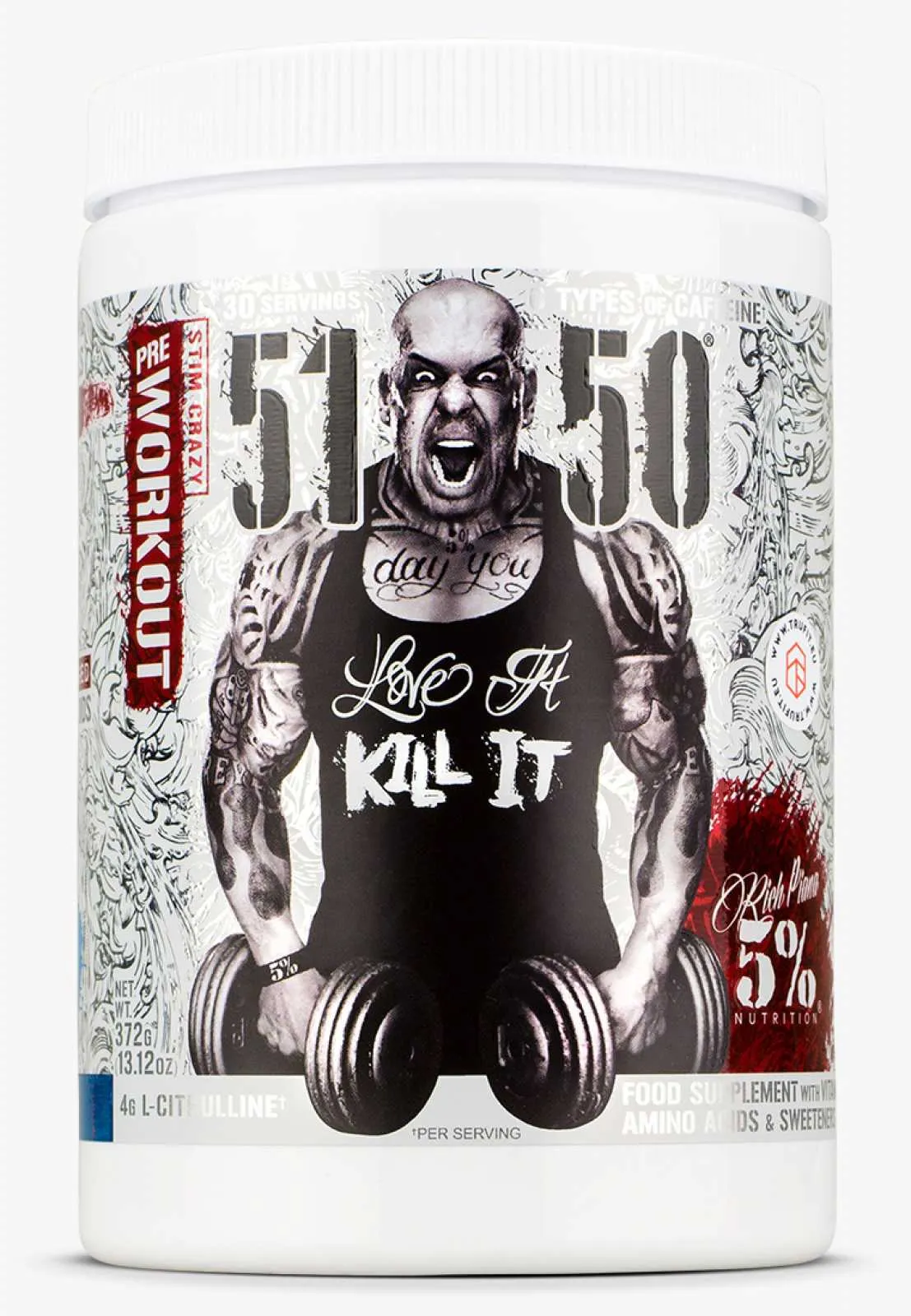
5% Nutrition 5150
2 flavors
Hardcore pre-workout with 400mg caffeine from multiple sources, 4g citrulline, and 2.5g beta-alanine. Not for beginners — one of the strongest pre-workouts on the market.
We keep the dosages and values on this page as accurate as possible based on selected studies. New research may change these values. Nothing on this page is medical advice. If you have any doubts, always consult a doctor.