Alpha-GPC
Alpha-GPC is a choline source that raises acetylcholine production in the brain. At 300 to 630 mg it improved attention and reaction speed in randomised research, and 600 mg per day raised isometric strength in one small study.
What the research shows
Mixed or small evidence. The effect is uncertain.
Three small human studies, and all three were paid for by the party selling the ingredient. The 2015 study, thirteen men taking 600 mg for six days, found more peak force on the isometric mid thigh pull and was funded by Chemi Nutra, the maker of AlphaSize. The same research group repeated it in 2017 with 48 men on a Chemi Nutra grant and found no difference on isometric strength or on the attention test; only the jump showed something, and there the low 250 mg dose scored better than the high 500 mg dose. The 2024 cognition study comes from NNB Nutrition, with its sole author a paid adviser to that sponsor. So there is human research underneath, with independent confirmation missing, and that keeps it at thin.
Who it makes sense for: Anyone who wants to try 300 to 600 mg before a hard session or a competition can do so knowing the evidence comes from the seller's corner. For daily use without training there is no reason. A pre-workout with 50 or 100 mg per serving stays far below the amount that was studied, so expect nothing from it.
How we weigh evidenceClinical dosage
Origin
Natural & syntheticAlpha-GPC occurs in small amounts in dairy, meat, and soy. In supplements extracted from soy lecithin or synthetically produced. It's a bioavailable form of choline.
Safety
Safe at doses up to 600 mg per day. The evidence comes from studies with fewer than 25 participants. The cognitive study was run by a researcher who is a paid advisor to manufacturer NNB Nutrition, with data collection at an independent institute.
For comparison
3 eggs together contain about 450mg of choline. Alpha-GPC delivers choline more efficiently to your brain than dietary choline, so a lower dose already has effect.
Dosage by weight and gender
The effective alpha-GPC dose for sports performance is 300-600mg per session (Bellar et al., 2015). Body weight is not a determining factor for dosing. There are no relevant differences between men and women. The adequate intake for choline in general is 550mg/day for men and 425mg/day for women (EFSA), but alpha-GPC delivers choline more efficiently than dietary sources.
Frequently asked questions
What is alpha-GPC?
Alpha-GPC is a highly bioavailable form of choline. It raises acetylcholine levels in your brain, which helps with focus, memory, and the mind-muscle connection during training.
Is alpha-GPC dangerous?
No, alpha-GPC is safe at doses up to 600mg per day. Choline is an essential nutrient your body needs anyway. At very high doses it can cause a fishy body odor, but that's rare at normal supplement doses.
How much alpha-GPC per day?
Take 300-600mg alpha-GPC about 30 minutes before training. Most pre-workouts contain 150-300mg, which is on the low side. As a standalone supplement you can easily add 300mg extra.
Scientific sources
The clinical dosages on this page are based on peer-reviewed research.
- Acute Alpha-Glycerylphosphorylcholine Supplementation Enhances Cognitive Performance in Healthy MenKerksick CM (2024)Funded by: Betaald door NNB Nutrition, de sponsor van het product; de enige auteur is betaald wetenschappelijk adviseur van die sponsor en bleef buiten de dataverzameling en de analyse.
- The effect of 6 days of alpha glycerylphosphorylcholine on isometric strengthBellar D et al. (2015)Funded by: Gefinancierd door Chemi Nutra uit Austin, de leverancier van het gebruikte AlphaSize alpha-GPC; de auteurs melden verder geen belangen.
- Evaluation of the effects of two doses of alpha glycerylphosphorylcholine on physical and psychomotor performanceMarcus L et al. (2017)Funded by: Deels gefinancierd met een onderzoeksbeurs van Chemi Nutra uit Austin, dat ook alle capsules leverde.
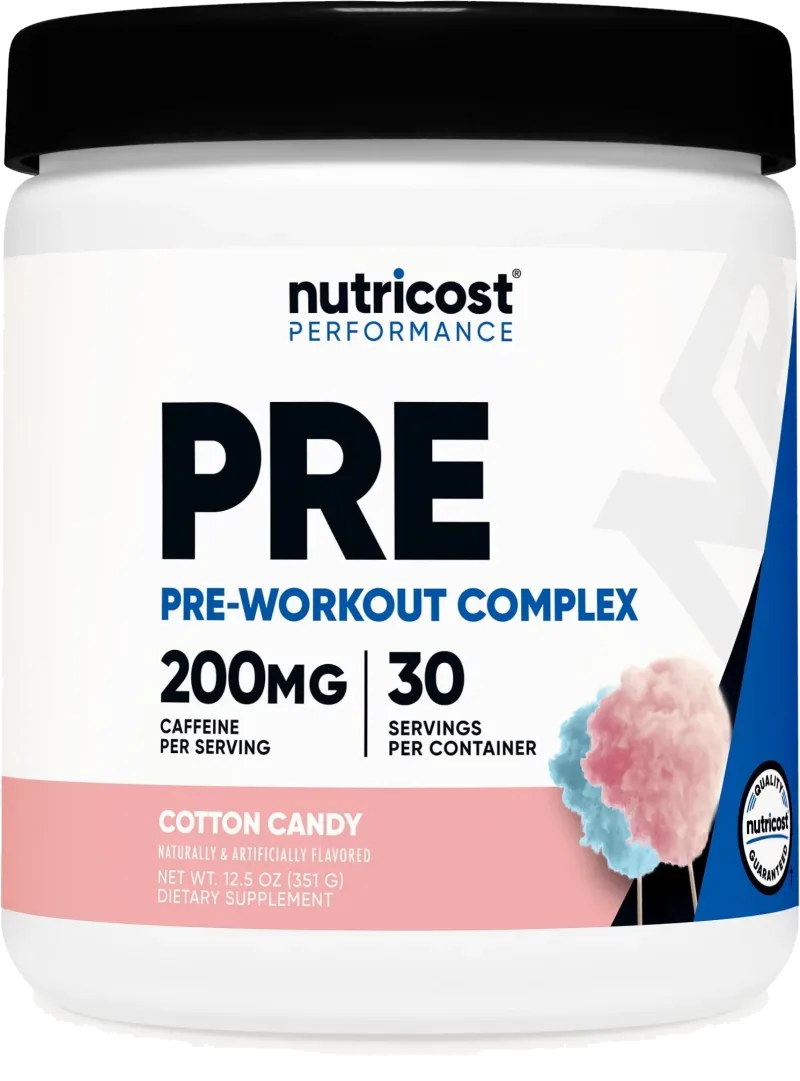
Pre-workouts with Alpha-GPC
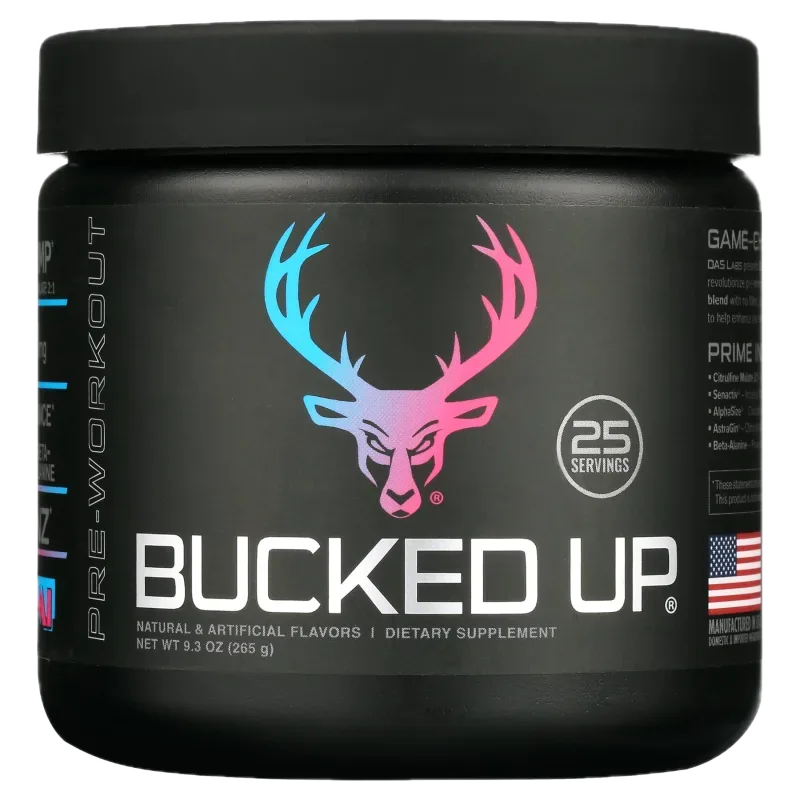
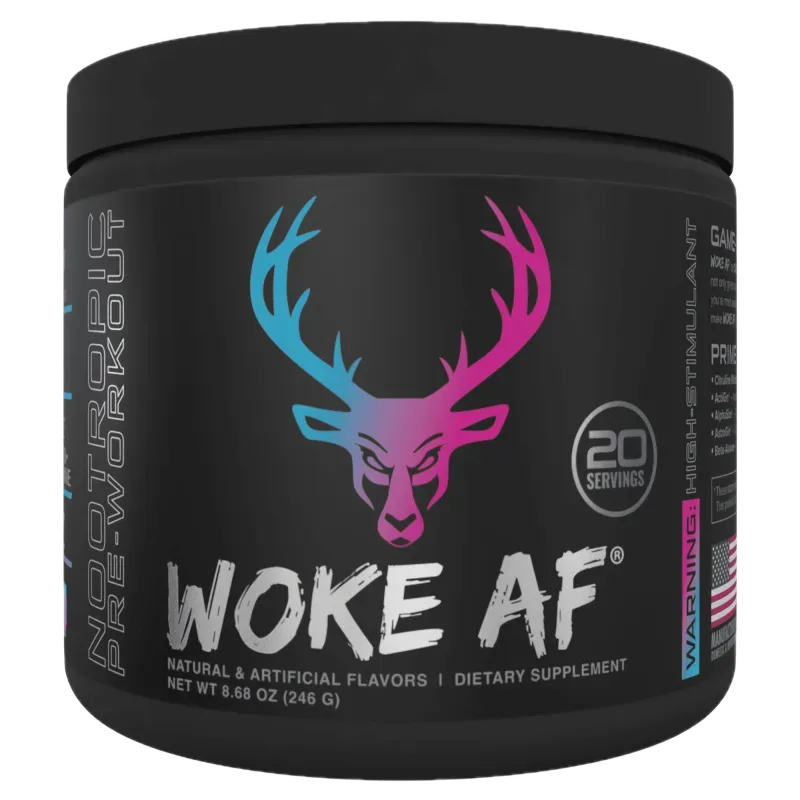
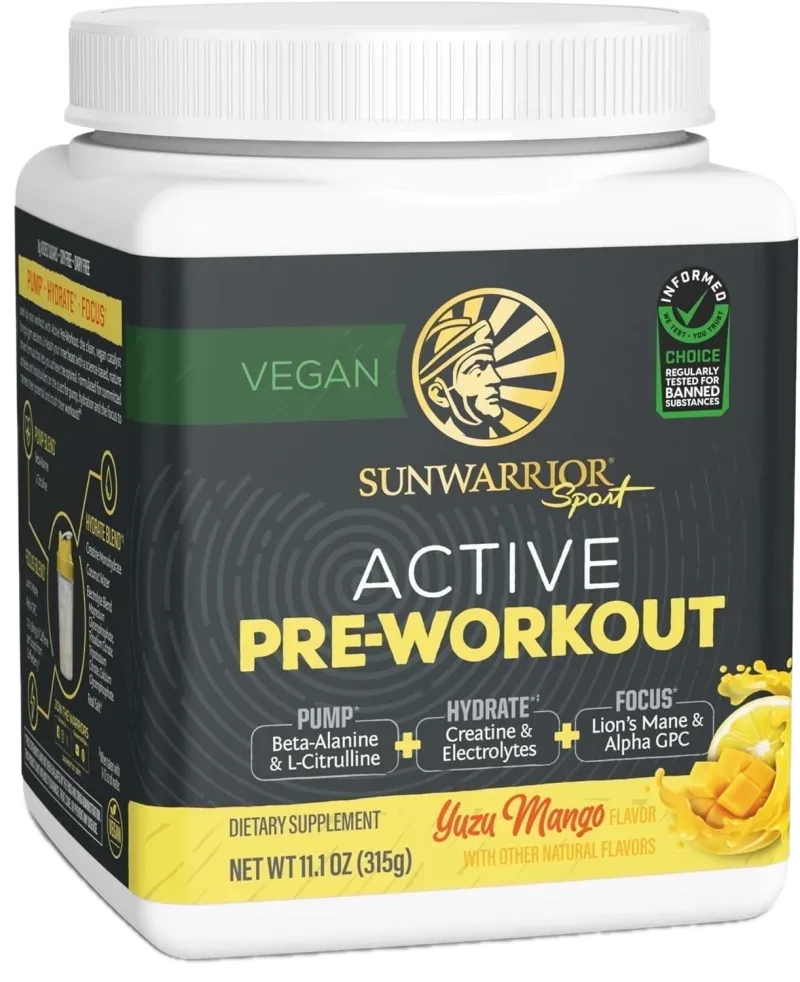
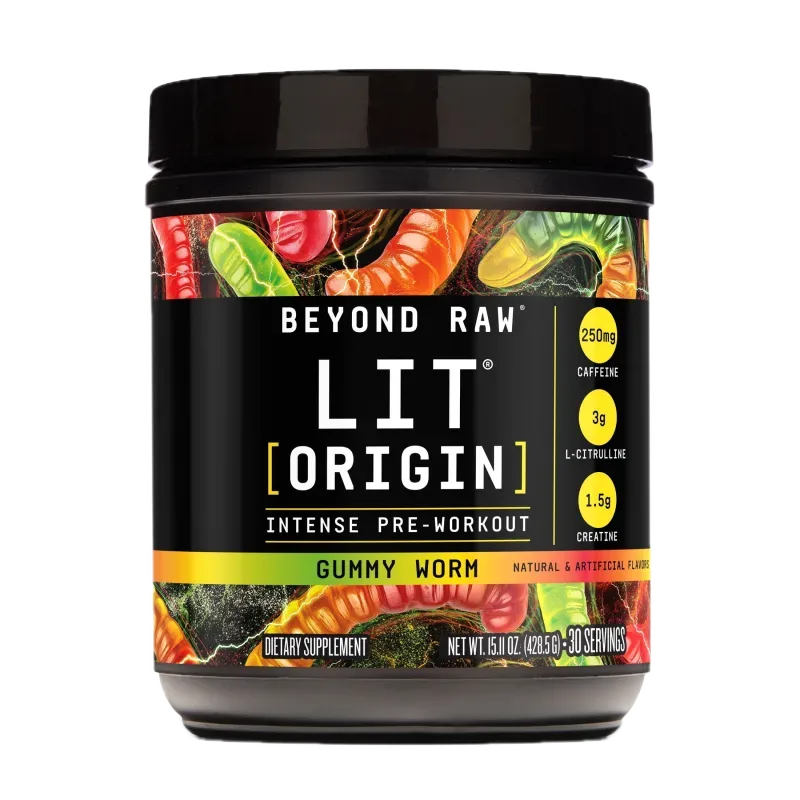
We keep the dosages and values on this page as accurate as possible based on selected studies. New research may change these values. Nothing on this page is medical advice. If you have any doubts, always consult a doctor.