Tyrosine
Tyrosine is an amino acid that supports dopamine and noradrenaline production. It can help maintain mental sharpness during stress and fatigue.
What the research shows
Shown, with a clear condition or a limited scope.
Two 2015 reviews, one from Leiden and one from Groningen, together cover more than fifteen human studies and reach the same picture: around 2 grams of tyrosine buffers the drop in working memory and information processing once conditions get hard, so under cold, noise, sleep loss or heavy cognitive load. In 21 cadets on the sixth day of a combat training course, memory improved and systolic blood pressure fell. Plain sports performance is a different story: the 2023 meta-analysis of eight studies found no difference from placebo on endurance performance. All of this work comes from universities and defence research, with no manufacturer behind it. It stays at reasonable because the effect only shows up under load and the studies are small.
Who it makes sense for: Useful for anyone who has to perform while short on sleep, in the cold or under time pressure: night shifts, exam weeks, a competition after a bad night. For a rested athlete in a normal session there is little to expect, and for endurance performance it was measured and nothing was found. Studies use 1 to 2 grams, roughly 150 mg per kilo of body weight, so anything under 500 mg per serving does nothing.
How we weigh evidenceClinical dosage
Origin
Natural & syntheticL-tyrosine is an amino acid found in all protein-rich foods: cheese, chicken, fish, eggs, nuts, and soy. Your body can also make it from phenylalanine. In supplements synthetically produced.
Safety
Safe at doses up to 2g per day. It's a building block for dopamine and noradrenaline in your brain, which explains why it helps with focus under stress.
For comparison
100g of parmesan cheese already contains 1.5g of tyrosine. One egg contains 250mg. The amount in pre-workouts (1-2g) is what you'd get from a solid protein-rich meal.
Dosage by weight and gender
The effective tyrosine dose for mental performance is 100-150mg per kg body weight (Jongkees et al., 2015). For someone weighing 70kg that's 7-10.5g, but pre-workouts use lower doses of 1-2g and that works too. Women and men respond similarly to tyrosine. The higher doses (100mg/kg+) are mainly used in research on cognition under extreme stress like sleep deprivation or cold.
Frequently asked questions
What is tyrosine?
Tyrosine is an amino acid and building block for the neurotransmitters dopamine and noradrenaline. It helps primarily with focus and motivation, especially when training under stress or fatigue.
Is tyrosine dangerous?
No, tyrosine is safe at doses up to 2g per day. It's also simply found in protein-rich foods like cheese, chicken, and eggs. Only be cautious if you use MAO inhibitors or thyroid medication.
How much tyrosine per day?
In pre-workouts, 1-2g is a good dose for better focus during exercise. Take it 30-60 minutes before training. It works faster on an empty stomach because it competes less with other amino acids.
Scientific sources
The clinical dosages on this page are based on peer-reviewed research.
- Tyrosine improves cognitive performance and reduces blood pressure in cadets after one week of a combat training courseDeijen JB et al. (1999)
- Effect of tyrosine supplementation on clinical and healthy populations under stress or cognitive demands--A reviewJongkees BJ et al. (2015)
- The effect of tyrosine supplementation on whole-body endurance performance in physically active population: A systematic review and meta-analysis including GRADE qualificationSolon-Júnior LJF et al. (2023)
- Behavioral and cognitive effects of tyrosine intake in healthy human adultsHase A et al. (2015)
Pre-workouts with Tyrosine
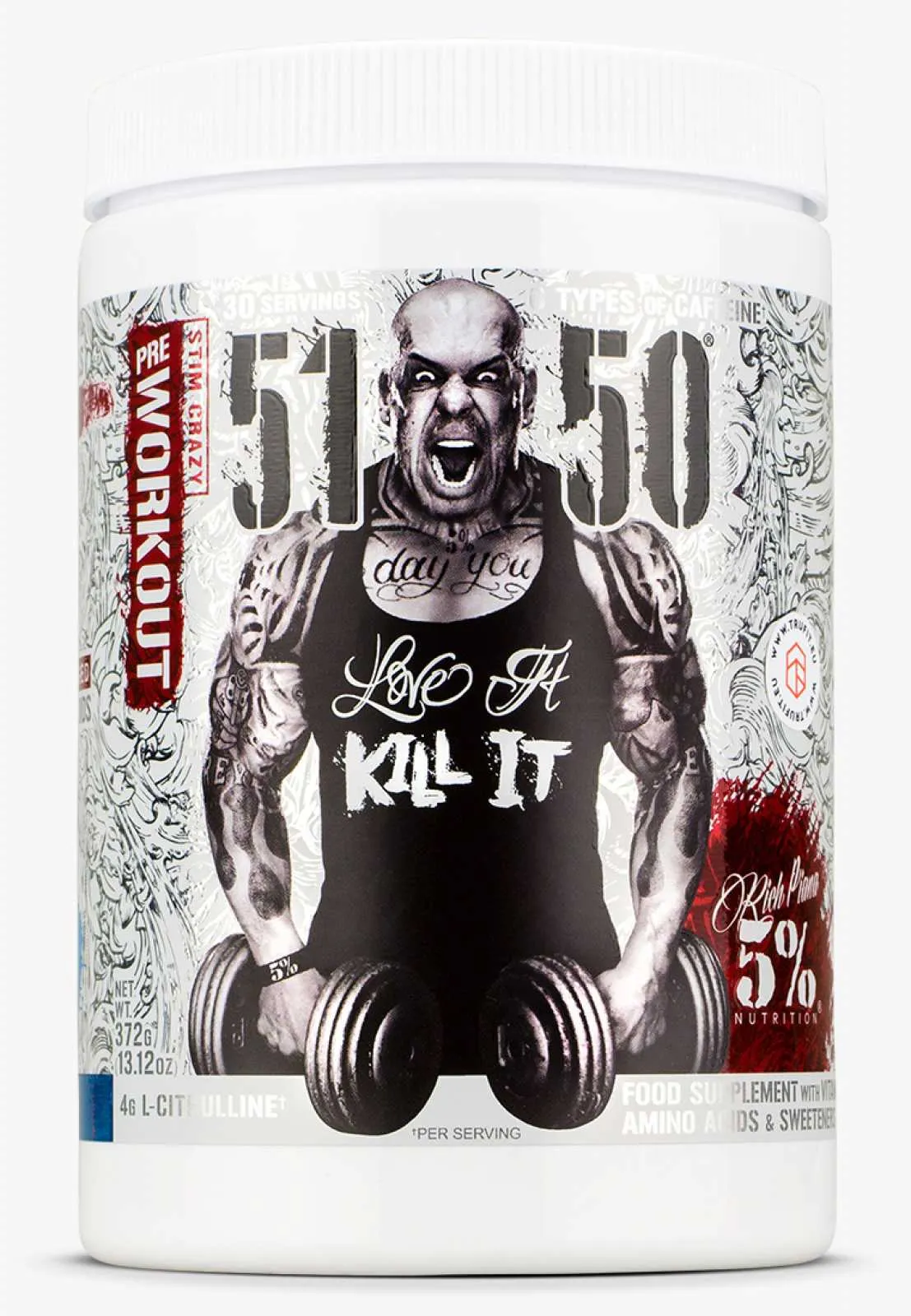
5% Nutrition 5150
2 flavors
Hardcore pre-workout with 400mg caffeine from multiple sources, 4g citrulline, and 2.5g beta-alanine. Not for beginners — one of the strongest pre-workouts on the market.
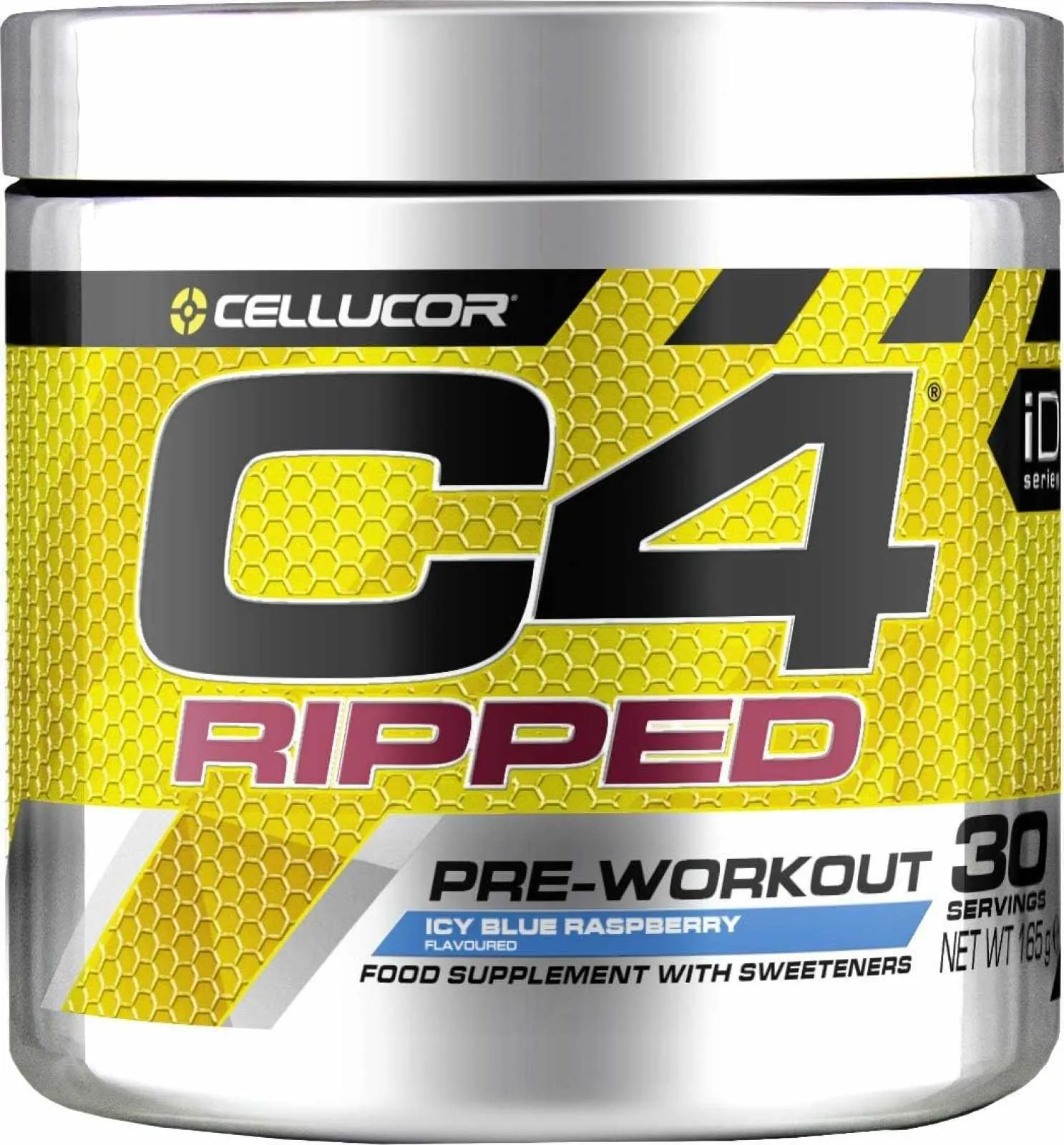
Cellucor C4 Ripped
2 flavors
C4 variant for the cutting phase with L-Carnitine and CLA. Less caffeine (150mg), no creatine — focused on fat burning.
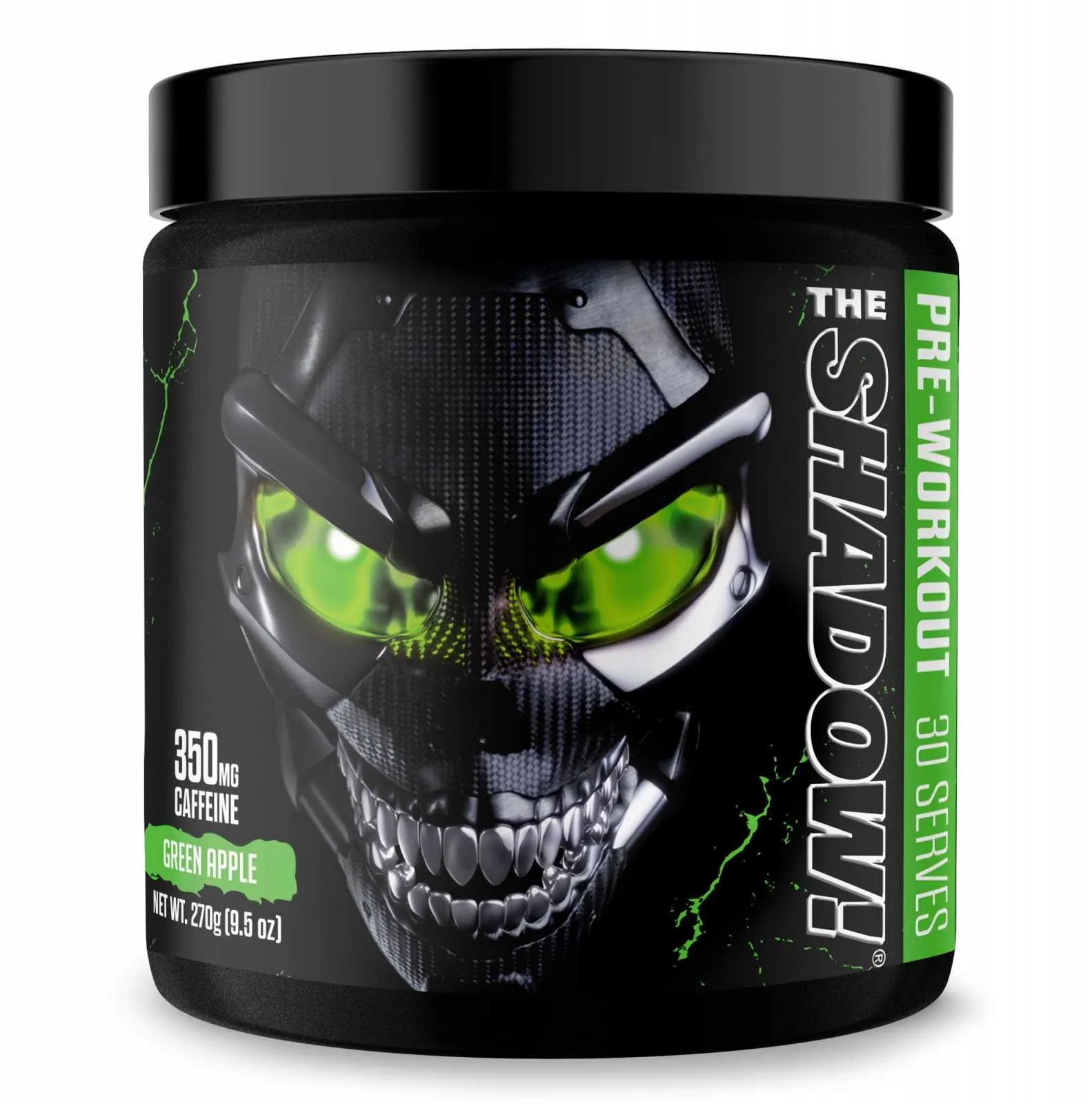
JNX Sports Shadow-X
Thermogenic pre-workout from JNX Sports with 200mg caffeine, 2g citrulline, and 2g beta-alanine. Focus on energy and concentration.
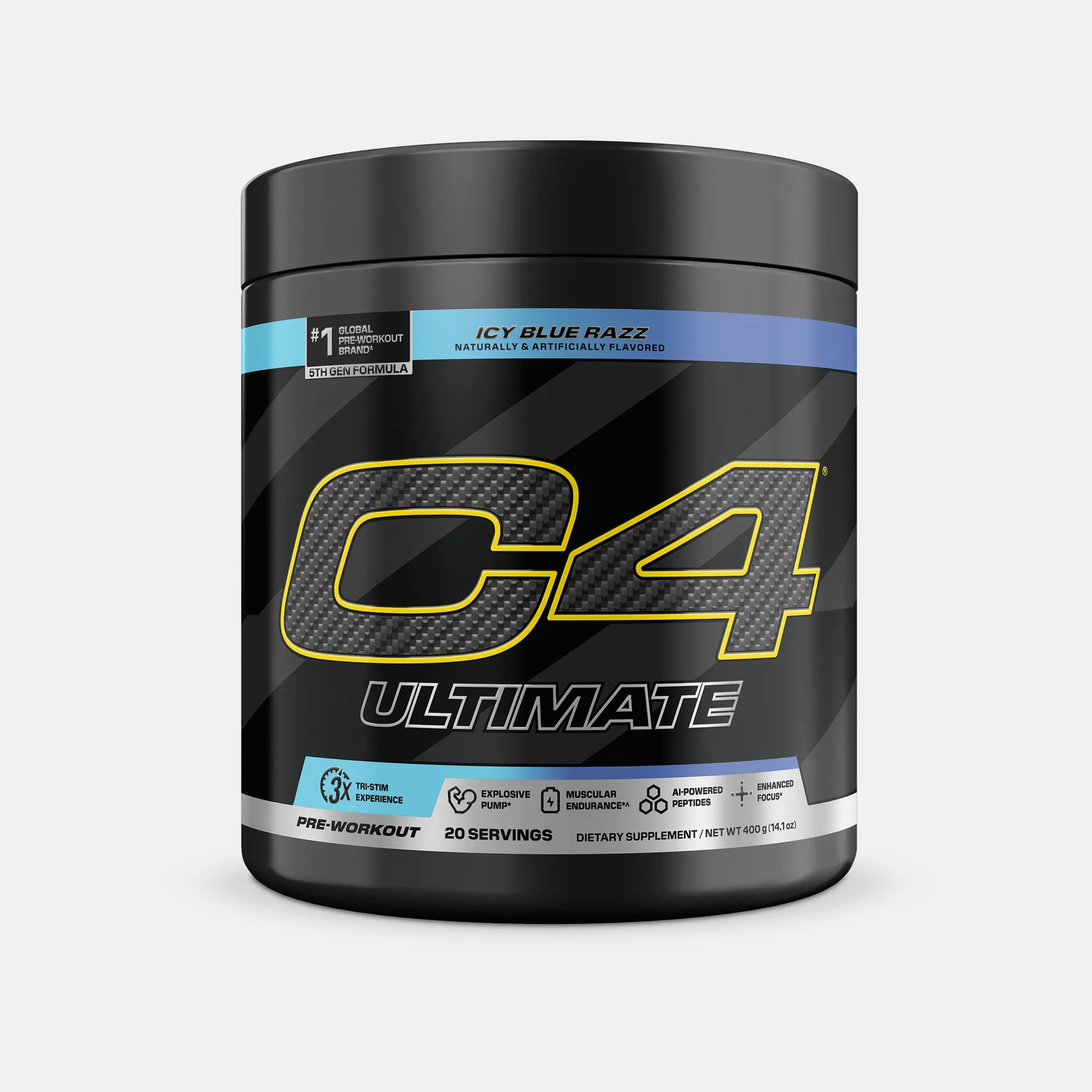
Cellucor C4 Ultimate
Premium C4 with 300mg caffeine, 6g citrulline malate, 3.2g beta-alanine, and 3g creatine. Fully clinically dosed — top of the C4 line.
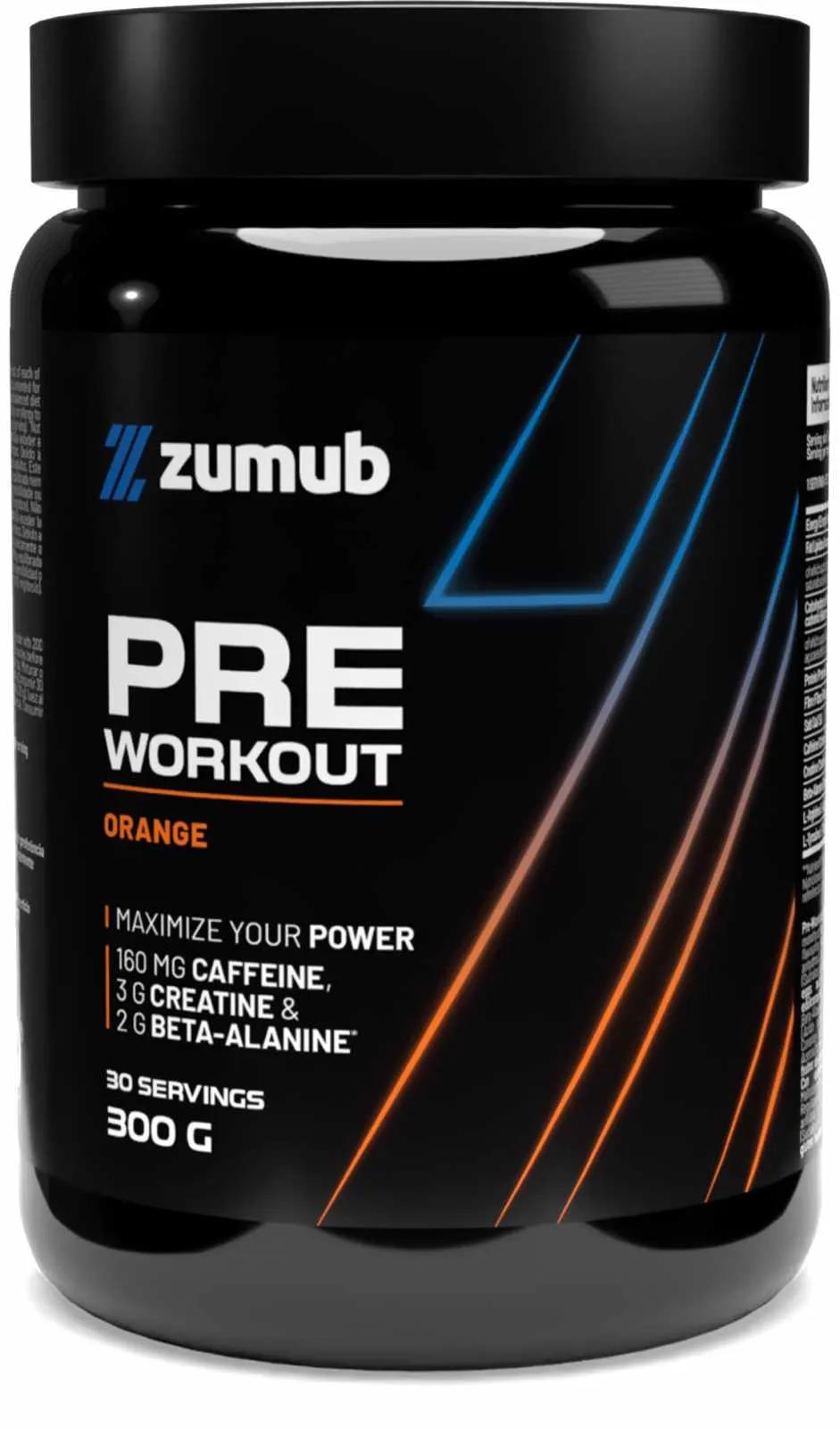
Zumub Pre-Workout 300
Affordable pre-workout from Zumub with 3g creatine, 2g beta-alanine, and 200mg caffeine. Ideal entry-level option with a proven formula.
We keep the dosages and values on this page as accurate as possible based on selected studies. New research may change these values. Nothing on this page is medical advice. If you have any doubts, always consult a doctor.