Creatine
Creatine is the best-researched supplement for short, explosive effort. The recommended maintenance dose is 3 to 5 grams per day. For endurance no effect has been found: a meta-analysis of 13 studies in trained athletes comes out at zero.
What the research shows
Shown repeatedly in humans, in reviews or meta-analyses.
Lanhers (2015) pooled 60 randomised trials with 1,297 participants and found greater lower limb strength in efforts shorter than three minutes (ES 0.24 overall, 0.34 for the squat), with age, sex, training level and dose making no difference to the picture. That meta-analysis comes from a French university hospital and is independent of the industry. The review by Antonio (2021) and the dosing study by Preen (2003) add to it, with almost every author on Antonio reporting ties to creatine manufacturers. Repeated evidence in humans from an independent source amounts to proven. That verdict covers strength and explosive power: Fernández-Landa (2023) found no effect on endurance across 13 studies in trained athletes.
Who it makes sense for: Something for anyone who lifts or performs short explosive efforts, for women just as much as for men, and for people over fifty who want to hold on to muscle mass. For endurance athletes looking only at their stamina, no effect has been found. The extra fluid the muscle holds counts on the scale in weight-class sports.
How we weigh evidenceClinical dosage
Origin
Natural & syntheticNaturally found in red meat and fish (especially herring and salmon). Your body also produces 1-2g of creatine per day in the liver and kidneys. In supplements always synthetically produced.
Safety
After a five-day loading phase, 2 to 5 grams per day keeps muscle stores topped up for six weeks. Loading is not required, it just takes longer without it. The dosing recommendation comes from a review by the International Society of Sports Nutrition, a trade body several of whose authors receive research funding from supplement companies.
For comparison
500g of beef contains about 2.5g of creatine. To get 5g of creatine daily from food, you'd need to eat a kilo of red meat every day. A teaspoon of creatine powder is much simpler.
Dosage by weight and gender
The standard creatine dose is 3-5g per day regardless of body weight (Kreider et al., 2017). Heavier individuals (90kg+) may benefit from 5g, lighter individuals from 3g. There's also a calculation of 0.03-0.05g per kg body weight (Antonio et al., 2021). Women respond just as well to creatine as men. A loading protocol (20g/day for 5 days) is optional and speeds up the effect, but 3-5g per day reaches the same result after 3-4 weeks.
Frequently asked questions
What is creatine?
Creatine is a substance your body produces naturally, also found in meat and fish. It increases your ATP stores (energy molecule), allowing you to train with more power and recover faster between sets.
Is creatine bad for your kidneys?
No, that's a myth. Dozens of studies have shown that creatine does not cause kidney damage in healthy individuals, even with long-term use. If you have an existing kidney condition, consult your doctor.
How much creatine per day?
Take 3-5g creatine monohydrate per day, every day, including rest days. Timing doesn't matter. Creatine works through buildup in your muscles, so consistency is what counts most.
Scientific sources
The clinical dosages on this page are based on peer-reviewed research.
- Common questions and misconceptions about creatine supplementation: what does the scientific evidence really show?Antonio J et al. (2021)Funded by: Bij het artikel staat geen financiering vermeld. Vrijwel alle auteurs melden banden met creatinefabrikanten, waaronder adviesraden, onderzoeksgeld, productdonaties en reiskosten van AlzChem. Eerste auteur Antonio is directeur van de ISSN, die steun ontvangt van bedrijven die creatine verkopen.
- Creatine supplementation: a comparison of loading and maintenance protocols on creatine uptake by human skeletal musclePreen D et al. (2003)
- Effects of Creatine Monohydrate on Endurance Performance in a Trained Population: A Systematic Review and Meta-analysisFernández-Landa J et al. (2023)
- Creatine Supplementation and Lower Limb Strength Performance: A Systematic Review and Meta-AnalysesLanhers C et al. (2015)
Pre-workouts with Creatine
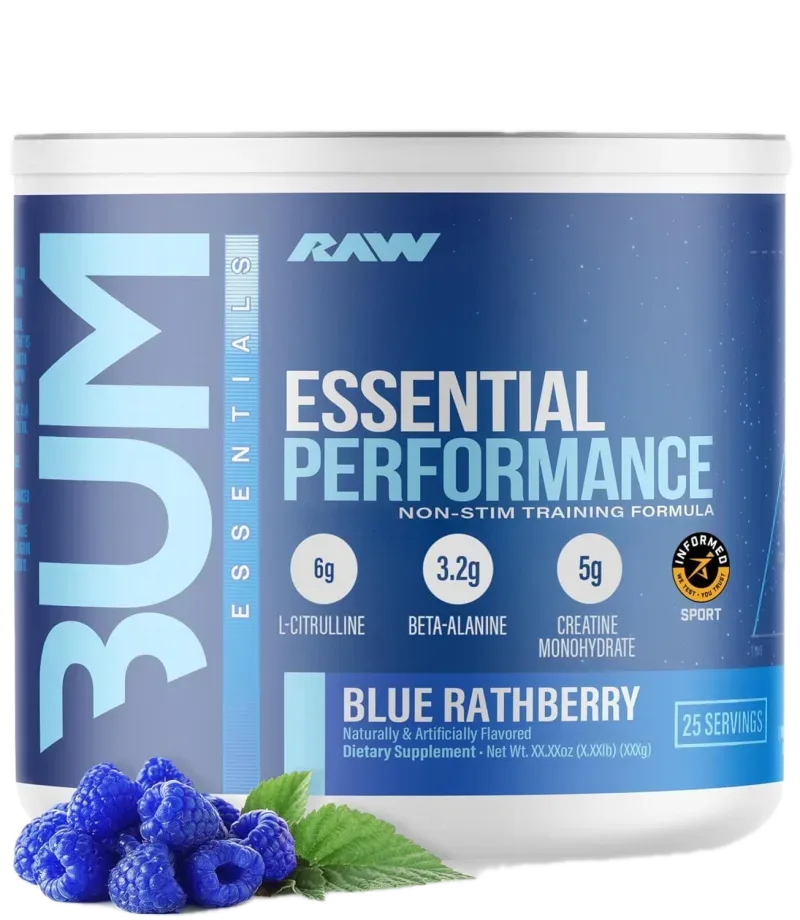
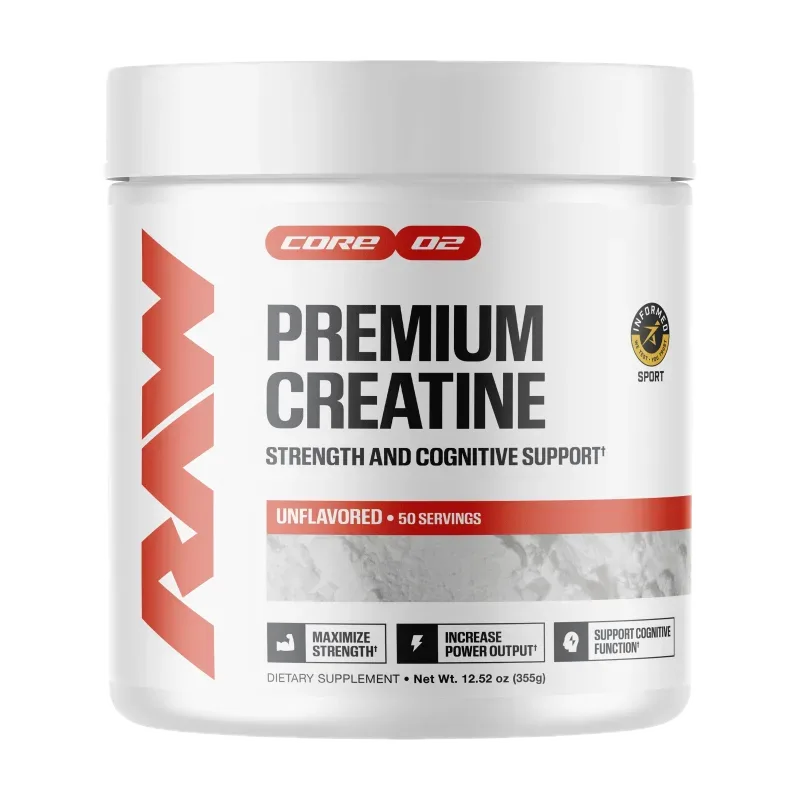
Essential Creatine Monohydrate Powder
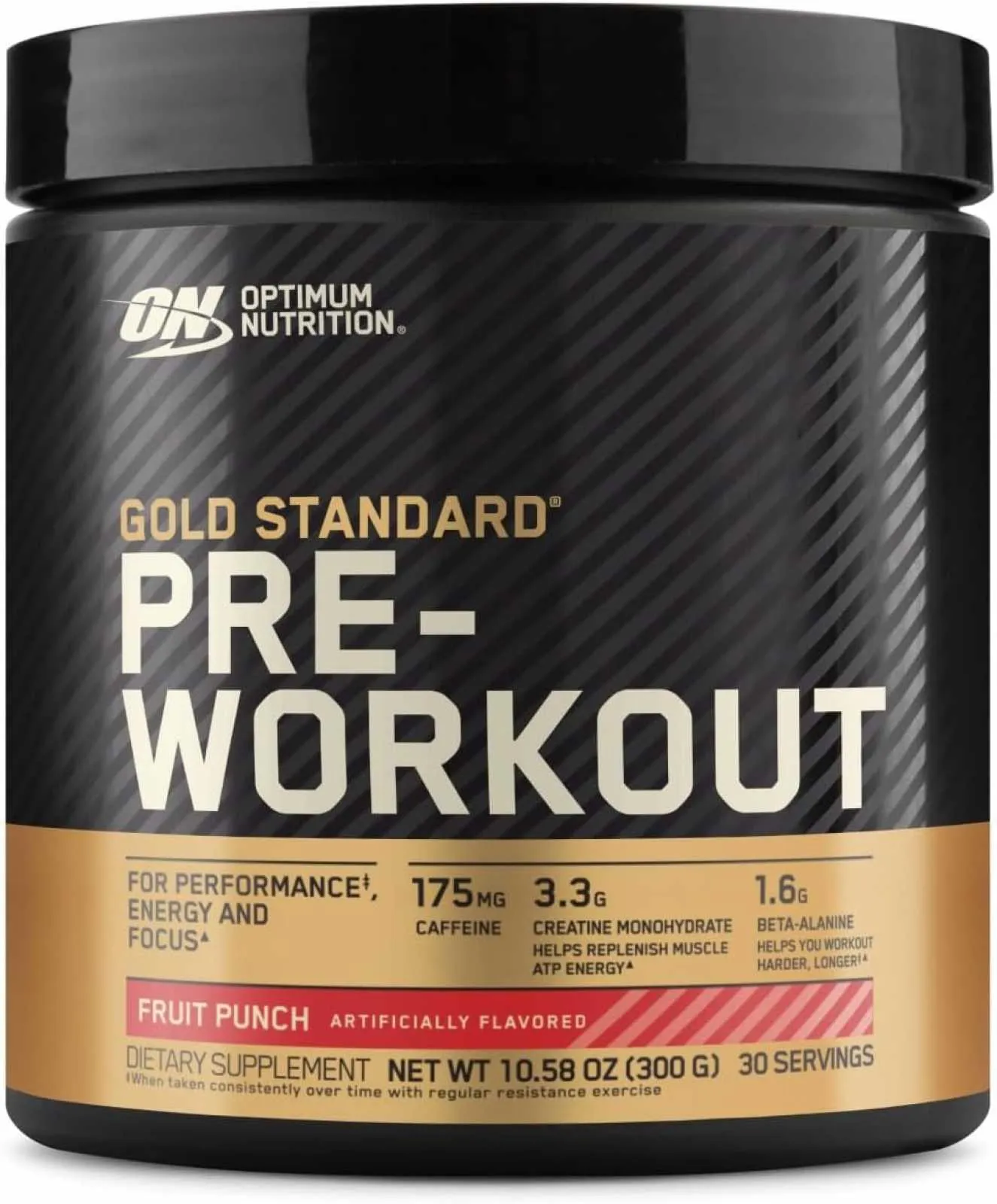
Optimum Nutrition Gold Standard Pre-Workout
3 flavors
Optimum Nutrition's pre-workout with 175mg caffeine, 3g creatine, and 1.5g citrulline. Mild but reliable — ideal for beginners who trust ON.
Gold Standard Pre-Workout
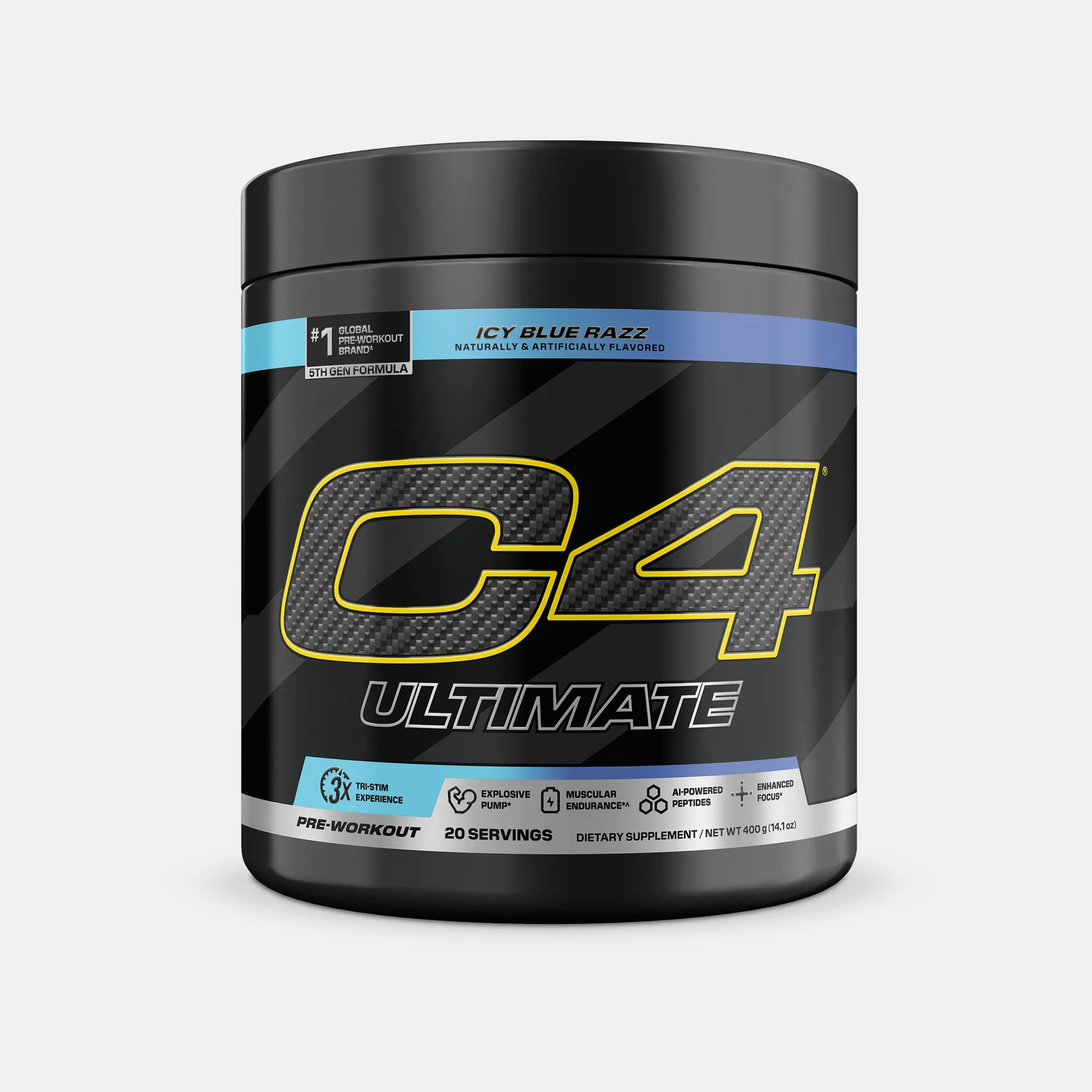
Cellucor C4 Ultimate
Premium C4 with 300mg caffeine, 6g citrulline malate, 3.2g beta-alanine, and 3g creatine. Fully clinically dosed — top of the C4 line.
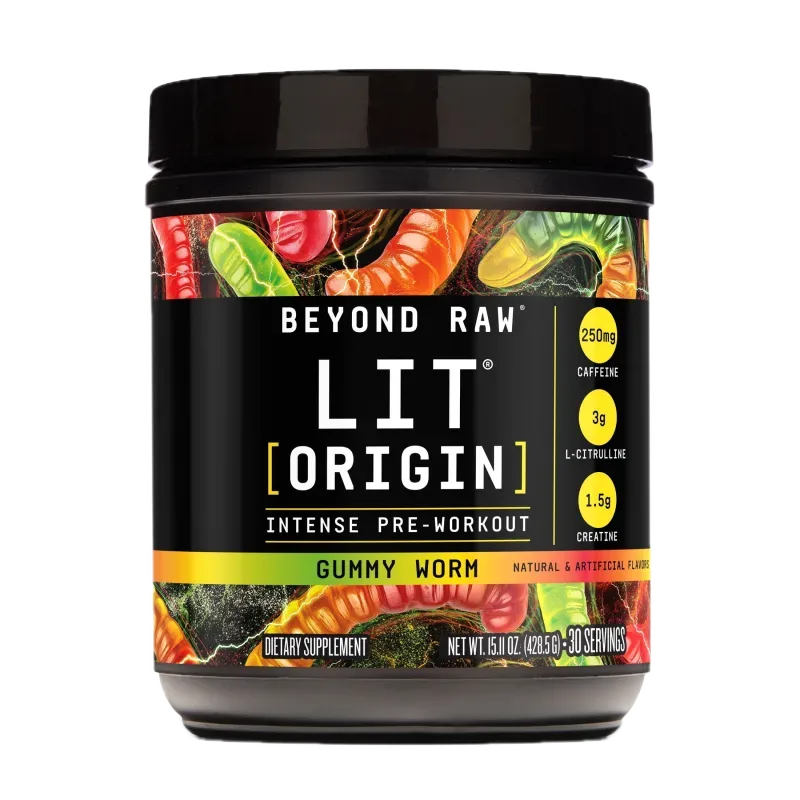
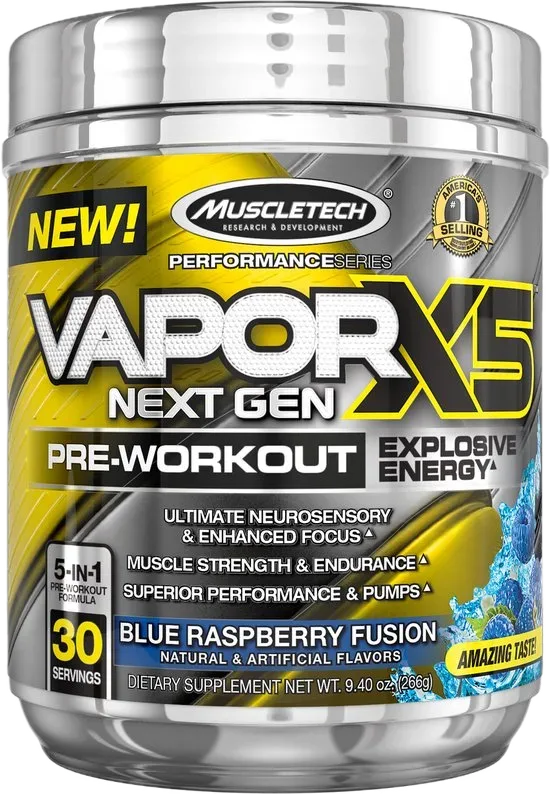
MuscleTech VaporX5 Next Gen
Pre-workout from MuscleTech with a nine gram scoop and thirty servings in a 266 gram tub. At two scoops the label lists three grams of creatine monohydrate, 3.2 grams of beta-alanine, 2.5 grams of betaine and 1.5 grams of Nitrosigine, plus caffeine. MuscleTech itself says to start at half a dose.
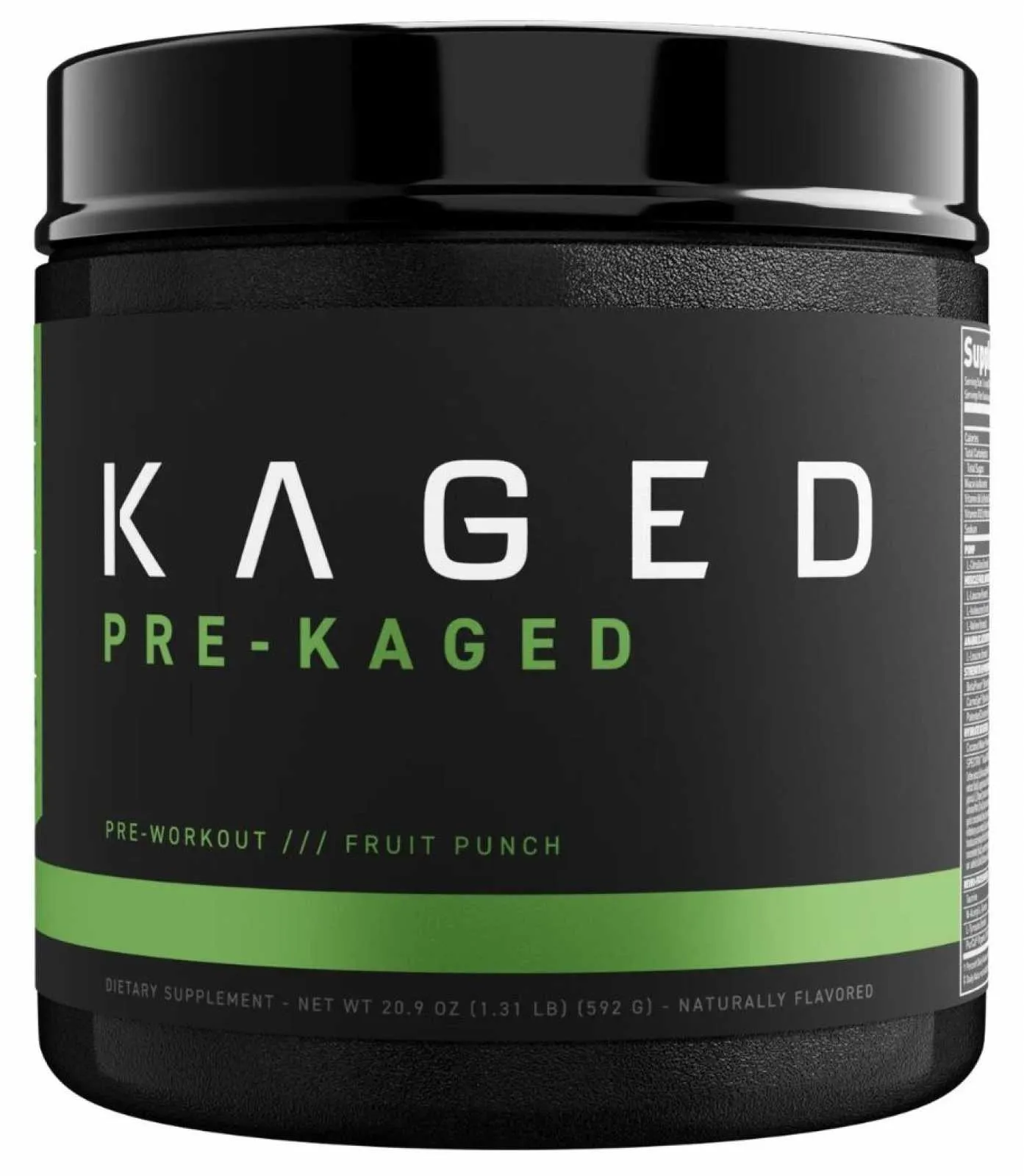
Kaged Pre-Kaged
2 flavors
Premium pre-workout with transparent label. 6.5g citrulline, 274mg PurCaf® caffeine. Informed Sport certified — suitable for tested athletes.
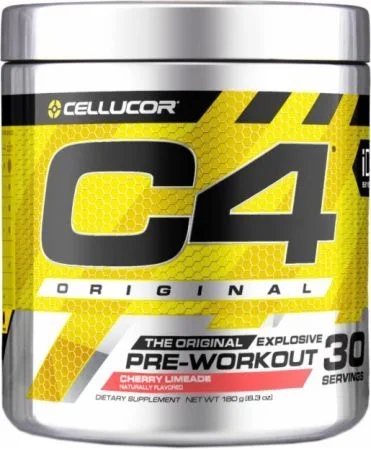
Cellucor C4 Original Pre-Workout
4 flavors
World-famous pre-workout from Cellucor with 150mg caffeine and 1.5g creatine. Compact 6.5g serving with proven formula.
C4 Original Pre-Workout
We keep the dosages and values on this page as accurate as possible based on selected studies. New research may change these values. Nothing on this page is medical advice. If you have any doubts, always consult a doctor.